
Bible study of Matthew 21-26 verse by verse
Bible study of Matthew Chapters 21-26 covers the final week of Jesus's earthly ministry, beginning with the Triumphal Entry into Jerusalem, moving through intense Temple confrontations with religious leaders, the Olivet Discourse, and concluding with the Last Supper and betrayal. It highlights Jesus as the prophesied King, the true authority, and the Passover Lamb. Parables of Jesus, Wise and foolish maidens, Servants and talents, Who is the Christ? Conviction of Jesus. Matthew 21 - What says Jesus about Jerusalem. Matthew 22:1-14 The Royal wedding. Matthew 22:15-22 The right of Caesar (paying tax). Matthew 22:23-40 Resurrection and teaching. Matthew 22:41-46 Who is the Christ? Matthew 23 - Reasoning against scribes. Matthew 24 - End of time: Speech on the last things. Matthew 25 - Wise and foolish maidens (virgens). Matthew 25:14-30 Servants and Talents. Matthew 25:31-46 The judgment about man. Matthew 26 - Betrayal, imprisonment and conviction of Jesus.
Jerusalem - Matthew 21
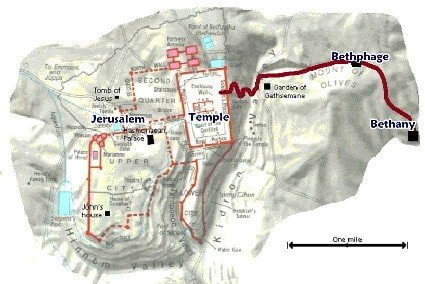 Verse 1-11 Jesus has done many miracles and the crowd is beyond itself. They expect a Messiah who is going to redeem them by the occupying forces, the Romans. Still they have not come to the conclusion that the Messiah is the Saviour from sin. The Sin awareness still lacks. The entrance into Jerusalem makes the crowd excited and the members of the Sanhedrin wild. All this to fulfill the Plan of God the Father, which leads to the crucifixion of Jesus. Later the crowd, disappointed because the Saviour does not redeem from the yoke of the Romans, calling "crucify Him".
The spread of the clothing and the branches of the trees, we can see likely the rolling out the red carpet for the King, as is usual today.
Notice what the crowd says in verse 11: this is the Prophet, Jesus of Nazareth. No recognition of Jesus as Messiah, no knowledge of the birth of Jesus in Bethlehem.
Spiritual lesson: Many accept Jesus Christ spontaneously and enthusiastically with high hopes. Then come the disappointments and the attacks of satan. Many remain living in the world and does not come to a life under the control of the Holy Spirit, with as result that one denies the faith in Jesus Christ and yet is lost for eternity.
Verses 12-13 Jesus entered the Holy City of Jerusalem and now entered into the Holy House of His Father: the temple. What Jesus found was not a holy place of worship, but a desecration, namely a marketplace where merchants made gross profit. It was the time of Easter, and many Jews from many countries and from Israel itself, came to Jerusalem for Easter. The Jews residing in Israel itself, often did not bother to take a sacrifice (an unblemished lamb) and to carry it on their journey to Jerusalem, with the chance that it was not approved by the priests. So it was bought at the market place, which is in the temple. Here a collaboration between the priests and merchants? The sacrifice (lamb and pigeons) were sold with gross profits. A pigeon as cheap as a substitute sacrifice for a lamb served for the poor, was sold for a high price. What had this to do with holiness! The market notched up gross profits. Also the exchange offices (the exchangers) too made gross profits. All had to be paid in Israeli currency, and the foreign money of the Jews who lived outside Israel had to be exchanged. Correctly that Jesus got angry and exposed all these exploiters out of the temple.
You may wonder why the temple guards did not intervene and stopped Jesus. Just remember that Jesus entered with triumph Jerusalem and the Jews themselves loathed this exploitation. Probably retained with fear of the crowd, prevented the temple guards to intervene.
Jesus says correctly with quotation of Isaiah 56:7 "for my house shall be called a house of prayer for all peoples" and you have made it to a place of thieves.
What a contrast. On one hand, Jesus drives the robbers out of the temple, while on the other hand, divine nature shows and the blind and lame who are also in the temple, are healed. Jesus is the true Saviour, the true worshipper of God. He does not tolerate sin, no thief who enters the Kingdom of God, which robs the Holy Temple of his Holiness. On the other hand, sinners who truly repent of their sin, are welcome and receive healing.
Verse 15 The chief priests and scribes, despite their differences in opinions, unite and turn together against Jesus.
1. Jesus takes away their profits by the expulsion of the market traders.
2. Jesus shows His authority by the healings of the blind and lame.
3. In their eyes, Jesus commits blasphemy by allowing Him to be called "son of David" (the Messiah) and this inside the temple, Gods House.
What a hypocrisy. The chief priests and scribes see the temple, Gods House, as a place of sacrifice. The sacrifice should take away sin. The sacrifice was bought for a lot of money on the market place (a marketplace does not belong in the Temple). As if money can buy you free from the punishment on SIN! Despite the healings, they refuse to recognition that God through Jesus is at work here. They are the true blind and lame, who are blind for the works of Jesus and that Jesus is the true lamb for the liberation of sins.
Verse 16 Jesus answered them: Small children and infants give praise to God. Children and infants are still uninhibited and they honour God. The chief priests and scribes, who ought to have a thorough knowledge of the Scriptures (the Old Testament), they are committing blasphemy by their participation in allowing that there is a market place inside the temple. A marketplace where gross profits were achieved. They are the ones who dishonour the temple.
Verse 17 Jesus leaves outraged Jerusalem and returns to Bethany, where he spends the night, before His upcoming crucifixion starts. A farewell to His friends and acquaintances?
Verse 18 Jesus returns to Jerusalem. Why he is hungry, we do not know, but it shows his human nature.
Verse 19 The first small figs appeared at the end of March (sometimes before the leaves came) and were ripe in May or June. The large fig only came in August to October. Easter was in April. Therefore ripe fig could not yet have been on the fig tree. Jesus saw from afar that this fig tree was full of leaves, and therefore one should expect ripe figs. However, this fig tree had no fig. Jesus rebukes the fig tree by means of the words: never grows more a fruit to you. We can marvel at this statement of Jesus. Has a tree a accountability? Man does not know nature, we do know that nature is also cursed by the Fall. Only Jesus with his divine nature, can judge. The tree withers.
But there is a deeper spiritual thought: the chief priests and scribes are full of external religion (full of leaves), but their worship of God is false (no fig: no deep knowledge of Sin, no true worship of God). In our time too there is a lot of appearance, both of the Sermoners who goal is their own honour. As of the individual believer who faithfully go to church, but during the week lives in the world and bears no spiritual fruit. No fruits of the Holy Spirit are visible in their life, but sometimes lives a religious life (full of leaves, no fruit). Resulting the fig tree withers, the Holy Spirit is extinguished and no access to the wedding (Matthew 25) and to Heaven. The believer dies like the fig tree.
Verse 20 The own disciples of Jesus are amazed, how is this withering as fast possible? Often an infidel accepts Jesus as Saviour, but soon he/she falls quickly back in the worldly lusts and wealth, and their spiritual life withers soon.
Verses 21-22 Jesus replied that faith can move mountains. This mountain points to the Mount of Olives and the sea to the Dead Sea. A difference in height of about 4000 ft. The condition for the impossible is no doubt in your heart and it must be God's will. The promise is then you will receive what you ask for. Often doubt comes about the power of God, or not knowing if it is God's will.
Verse 23 Jesus continues His labor, he teaches the people in the temple. The chief priests and the elders are jealous of His followers among the people. And come up with the question: By what authority are you doing these things, and who gave you this authority? These things can refer to the entry into Jerusalem with allowing to be called: Son of David, the cleaning of the temple, healing the sick, but also on His instruction and interpretation of Scripture in the temple. The chief priests and elders want to place Jesus for the block in front of the people. If He denies His empowerment, Jesus loses His credibility among the Jewish people. If he answered by God, then it would be blasphemy.
Verse 24 Jesus, however, sees through their cunning and replies with a counter question. Often unbelievers ask cunning questions to a believer. Not because they are really interested in the Christian life, but only to make the believer implausible and ridiculous. Be on guard and let the Holy Spirit guide you in a good question to silence your opponents.
Verses 25-26 Jesus sees through their evil heart. And comes with the question: From who is John's baptism? People hold John the Baptist for a Prophet who Sermoned the Kingdom of God, namely the recognition of being a sinner and repentance of sin. This failed utterly by the chief priests and elders.
From Heaven, then why do not recognize the chief priests and the elders the call for repentance and the recognition of Jesus' authority?
Verse 27 The chief priests and elders have fear for the people. Because if they respond that John the Baptist Sermoning was not from God, that they would undermine their own authority. Their answer is neutral: we do not know. They try a way out. How is it possible that chief priests and elders who should have an excellent knowledge of Scripture, they do not know? How often today we do see that questions posed by unbelievers, fail to respond to questions in their area. Many in their specialism is often based on assumptions, which have no basis, only assumptions.
Jesus replies, then I say you neither, according to what authority I do these things. Quite right. Pharaoh saw the ten plagues, nonetheless, he did not wish to recognize the authority given by God to Moses as being of God. Pharaoh persisted in his disbelief, as well as his authorities. Unfortunately we see many unbelievers who keep searching in yoga, Eastern religions and in own strength and salvation: I live good, worshipping of home-made stone sculptures. Rejecting the creation by God, believing in the Big Bang. Just remember that you will experience the truth after your death, and then it will be too late and your rejection of Jesus you will have to wear the consequences yourself resulting in the punishment by God upon your sins, the Lake of Fire.
Verses 28-30 Does not the Bible command that our Yes should be Yes and our No should be No (Matthew 5:37). Also presently we see this parable back, both in children and in adults. One asks something and one gets a confirmation, Yes, as the answer. Sometimes out of courtesy or because they do not have the courage to say no, to refuse. But one does not do what one says. Another (has the courage) to say no, but later on, reconsider (maybe thought about it) and does what is refused.
Verses 31-32 The question who has done the will, is logicaly responded with the answer, the one who has done what was asked. Logical not the one who lied.
Now following a remarkable answer of Jesus: the tax collectors and harlots go into the kingdom of God before you. The most despised people by the Jews and people, the tax collectors (extortionists) and harlots (inferior people and sinners) enter the Kingdom of God. Why? Because they recognize to be a sinner and need the forgiveness of sin. Think of Matthew the tax collector and the harlot Mary of Magdalene. This in high contrast to the chief priests, scribes and elders who self-congratulated themselves and do not wish to know of any remorse. Pastors, priests and the Pope may self-congratulate themselves about their religious life and knowledge of Scripture, the Bible, however without sorrow for sin and faith in Jesus Christ as Saviour, they will not enter the Kingdom of God, Heaven. Only man who acknowledges Jesus Christ as Saviour and being a sinner, comes after the death in Heaven.
John the Baptist (and Jesus) Sermoned the Kingdom of God, a deep repentance of sins and repent, letting go off living in the world and start a new life to the honour and glory of God, living a life under control of the Holy Spirit and clearly visible the fruits of the Holy Spirit in the everyday life on earth.
 Verse 33 Building a vineyard was an expensive and labour intensive process. First of all, the hedge and the vine plants were planted. Then the wine press, which consisted of a stone with drain for the wine. The grapes were usually pressed by feet and the juice flowed to a lower reservoir. The Tower served to the vineyard as a guard against thieves and wild animals such as foxes. The Tower also served as storage of the wine (bottles). After this investment by the owner, it was rented out to tenants, which had to share a portion of harvest to the owner.
In the Old Testament: the master of the House is God (Yahweh). The tenants are the chief priests, scribes, Pharisees and elders.
Present: Jesus Christ is the master of the House of the vineyard. He has accomplished with His death at the cross on earth and now. He is foreign, namely in Heaven. The tenants (evangelists, pastors, missionaries, etc.) are the believers, who are now responsible for the care of the vineyard (proclaiming the Gospel) and harvest (the care and growth of the believer).
Verses 34-35 The owner requires a portion of the fruit, of the revenue. However, the tenants desire the full profit. They beat and kill the representatives of the owner. They have forgotten the investment that the owner has done in the vineyard. O.T.: God sent prophets and kings as ambassadors of Him. However, the Israeli and Jewish people do not wished to know anything, and maltreated the prophets, yes even the prophets were killed. Present: The unbeliever do not wish to hear anything about the Gospel, the believers are forbidden to Sermon the Gospel, are killed by Islamists, many are burned at the stake, misinterpret the Bible and the Gospel of salvation and Sin are stripped.
Verses 36-37 The owner is patient, he does not seize in and does not come with an army to punish this bad tenants. God is patient with His people and continued to send prophets to teach His people. At last, the owner sent his son. After centuries of the sending of prophets, God sent His son Jesus to earth. Jesus proclaimed the Gospel, taught the people, however, the chief priests, scribes, Pharisees and elders do not want to know anything of Jesus, saw Him as a threat to their property and power over the Jewish people.
Verse 38 The tenants see the son, the heir. Now they seize their chance to become the owner of the vineyard and kill the son. The captains over Israel see with meek eyes, the miracles which Jesus does and how big are the followers of Jesus among the people. They say, let us kill Jesus, then we get back our authority over the people.
Verse 39 The tenants grab the son and throw him outside the vineyard where they kill him. The chief priests have crucified Jesus outside the city of Jerusalem. The son of God was thrown out of town and hung on the cross.
Verses 40-41 Jesus asks the crowd (and probably the chief priests and scribes were present) what one should do with these tenants? The correct answer: the evil tenants serve an evil death to die. How good was the reaction of King David when the Prophet Nathan told his parable, and then it turned out that King David was the evil. Possible that the chief priests and scribes initially were unaware of the fact that the evil tenants reflected to them.
Jesus follows the teachings of the rabbis, who used the question-and-answer method in the education of their students to keep the attention with the lesson. That is why this way of education by Jesus is not so surprising.
Verse 42 Jesus refers to Psalms 118:22-23 The stone rejected at the building of the temple, is later used as the head of the corner. Jesus is the head of the corner, the Foundation of the Temple of God (1 Cor. 3:10-23), the Redeemer. On no other Foundation, man can build, Jesus is the only way to Heaven.
Verse 43 The vineyard, the people of Israel, was destined to the Kingdom of God. In front of Pilate (a part of) the people shouted: away with Him (=Jesus), there the priests and the people reject Jesus. With the result that the Kingdom of God is taken away by the Jewish and Israeli people and giving to another people, the Church. But let the Church, the individual believer, beware, that his/her access to the Kingdom of God, Heaven, can be removed. The Church, every believer is called to live a Holy life under the guidance of the Holy Spirit and the fruits of the Holy Spirit should be visible in the everyday life of the Church, the believer. How sad it is unfortunately today. Let us examine seriously our condition as Church and believer.
Verses 44-46 Those who ignore this message, will fall. Will be lost for all eternity and will be punished by God, the owner of Heaven and earth. After hearing this latest ruling, the chief priests and Pharisees realize, that with these tenants, they are meant. Their eyes remain closed, as with Pharaoh. They still intend to kill Jesus. Do not come to understanding that by killing the son (of God), and they themselves will be crushed. But they do not dare to lay hands immediately to Jesus, for fear of the crowd.
 Back to top
The Royal wedding - Matthew 22:1-14
Verse 1 Jesus continues to speak in parables. Speaking in parables address to the imagination of people, because they contain examples from everyday life. But one must be open for it and not cocky and reject the example.
Verse 2 The Kingdom of Heaven (God) is intended for people who really repent over their sins and repent for their wrong way of life. We can see the King as God, the Father, and the son, as the Son of God, Jesus Christ. The father has prepared for his son a private wedding with the bride: the Church.
In first instance, the Jewish nation was invited to the marriage feast of God. God send his slaves (prophets like Moses, Elijah, Jeremy, Samuel, etc.) to the Jewish nation to convert to God. The first invitation, however, they declined.
The second invitation also went out to the Jewish nation with a more firm message: See, I have prepared my dinner with oxen and fat calves, everything is ready. These other slaves, we can compare with John the Baptist, followed by Jesus Himself, Who showed all kinds of wonders to enforce His words, followed by His disciples, who after Christ Ascension first directed themselves towards the Jewish nation to convert. But, His disciples were slain, prosecuted and killed.
Verse 5 This very unwilling people was more interested in material wealth than in spiritual wealth. But we cannot accuse this people, how is it not now with man today? Wild parties, materialism, sex and drugs on major rock festivals that attract thousands of young people, worship of satan, rejection of God's commandments. Many a Christian lives in the world, does not read and study the Bible, enjoy worldly things and does not live a life guided by the Holy Spirit.
Verse 7 After 4000 years of patience, there comes an end to the patience of God. This led to God's wrath, so that in 70 AD, the Romans destroyed Jerusalem and the Jewish citizens were slaughtered and Jerusalem was set to fire. The Jewish people were invited to the wedding for over 4000 years, but revoked Gods grace, and refuse the wedding invitation. The wedding (Jesus coming to and lived on earth) was ready, but the invited were not ready. The Jewish nation was not worthy.
In 70 AD Titus, the son of Vespasian, destroyed Jerusalem and equalizes the temple like Jesus had predicted (Matthew 21:1-2). Accordingly to an eye witness Josephus (see the book of Josephus), more than 1.000.000 Jewish people were brutally killed by the Roman soldiers without considering elderly or rank, contrary, children and elderly, and the priests were slaughtered.
Verse 8 The wedding was ready: Jesus had Sermoned the repentance of sin, but the Jews wished themselves not to convert to the Messiah Who brought salvation from sin. The guests were the Jews.
Verses 9-10 The slaves (Jesus' disciples, Paul and others, and presently all who proclaim the gospel) went out, to the thoroughfares (to all the corners of the earth) and Sermon the gospel to evil ones (criminals, murderers, harlots, etc.) and good ones (who lives a normal life?). And many have accepted Jesus Christ as their personal Saviour, included converted Jews!
Verse 11 When the king entered, he looked at the guests, and he saw there a man who had no wedding garment; and he said to him, "Friend, how did you get in here without a wedding garment?" And he was speechless.
In the days of Jesus, it was practice, that when a person was invited by the king, that person was offered a garment in order to appear honourable in front of the king. Also it was the habit if a person wished to appear before the King, he was required to wear clothes which the monarchy tried to send him. In this parable, the king righteously becomes wrathful, since he had refused the kingly garment, and found his own garment (works) good enough. Now this person realizes his mistake and is speechless. It was his own choice, responsibility and guilt. Everyone, except him, had accepted the royal offer, but he wilfully had declined the royal garment. Righteously this person is thrown out.
The Royal robe, perhaps we can compare with the offer of God to accept Jesus Christ as Saviour and Lord. Those who reject the Gospel (the wedding garment) cannot participate in the Wedding, he is bound to hands and feet, receives God's wrath and enters the outer darkness for all eternity.
And how are we dress to church on Sunday? The Church is the place where man appears for God. Are we worthy dressed? Or sportive, or with the breasts visible, with mini skirt, with shorts? Would you going in this dress and appearing for the president or King? Or are we thrown out because of our unworthy clothing?
Verse 14 Many are called, because God does not want anyone to be lost. All people, Americans, Europeans, Asians, Jews, everyone is welcome to accept Jesus Christ as Saviour and Lord. However few searches God and Jesus, despite that many have access to the Bible (for free on the internet) and the Gospel proclamation on the television. No one has an excuse of I did not know. However few wish to know something of the liberation of sins by the blood of the Lord Jesus Christ and to give up their worldly life. At the end of this parable, the great OWN responsibility is stressed. Everyone had accepted the wedding robe, except him. Man HIMSELF is responsible for what happens with him/her after death. That debt lies NOT by God. Every human being is invited, the free choice is upto man. Every human being is called to a repent, believe in Jesus Christ as Saviour and Lord, to led a spiritual life by the Holy Spirit and letting go of the worldly living. The choice is upto man.
What does this brevely mean ?
Only through faith in Jesus Christ as Saviour one can enter Heaven. There is nothing a man can contribute. First the sinner must lay off his garments and decline of his own works. It is a free gift of grace that the sinful human through the blood of Jesus Christ can be redeemed from the punishment unto sins. Only Jesus Christ has performed the work. Just when the sinful human this recognizes and Jesus Christ as his / her personal Saviour, only then he / she receives the divine garment (in a manner of speaking: the Holy Spirit).
No good works, no weekly visits to the church, nothing of yourself and works can bring a sinner into Gods Kingdom (Heaven). If one enters upon false pretexts, one is cast outside.
Only on merits of Jesus Christ's blood, one gets a ticket to eternal life in Heaven. Otherwise one is cast outside into the lake of fire, there men will weep and gnash their teeth.
The right of Caesar (paying tax) - Matthew 22:15-22
Verse 15 The Pharisees did not repent at the end of Matthew 21, on the contrary, they are furious and trying to ambush. They do not dare to go themselves, therefore they send their students, in the hope that Jesus will be less harsh against them. And they go so far as seeking assistance from their enemies the Herodians. Pharisees were Jews who strictly wanted to comply with God's law. While the Herodians who cared very little about keeping God's laws and the divine commandments. These two groups united to catch Jesus with a trick question. The Herodians assumed that it was quite right to pay taxes. While for the Pharisees it seems as blasphemy. If Jesus would say YES ten the Jews would reject Him, because the Jews hate the tax collected by the Romans. If Jesus would say No, then Jesus could be accused of treason, after all, the Romans had the government which imposed the tax.
Verse 16 What a hypocrites, they address Jesus with "Teacher". While they do not recognize Him as Teacher but they have come to trap Jesus. They begin with flattery: "We know that you are true, and teach the way of God truthfully". In short they say, you are a schoolteacher who people can rely on, you are reliable. If that was their inner conviction, why do they not follow Him? How often a believer is not mislead with flattery, the unbeliever begins with words of praise, to lure the Christian into a trap. How often we do not see this in television debates?
They continue with "And care for no man; for you do not regard the position of men". In short they say, you are impartial. And prosecution as if they have a sincere question.
Verse 17 Is it lawful to pay taxes to the Emperor (to Rome, the occupying forces)? This question is also true today, should a believer honestly pay taxes? Yes, because the Government uses taxes to govern the country, for law and order, education and health care, maintenance and construction of roads. What the believer is charged, is to God, because the Government is appointed by God. If a politician abused and uses the money for his own pocket, he/she will be accountable before God. The believer must be obedient to the laws of his/her country, AS LONG AS it is not going against the laws of God (Acts 5:29).
Verse 18 Jesus sees through their cunning and responds with "Why put me to the test, you hypocrites". Be on your guard as believer and do not be fooled. Pray for help from the Holy Spirit. Do not try in your own force to come up with a way out. The Holy Spirit is your strength. He is God and knows an answer to all these traps.
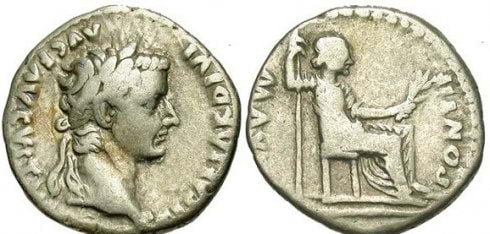 Verses 19-21 It was Easter, many Jews from Rome were present, so it was not difficult to obtain a Roman coin.
On the coin stood at the front an image of the emperor with the inscription (translated): TIBERIUS CAESAR AUGUSTUS, SON OF DIVINE AUGUSTUS
And at the back was the Emperor seated on a throne and wearing a diadem on his head, dressed as a high priest with the inscription (translated): HIGH PRIEST
Jesus asked the Pharisees and Herodians: "Whose likeness and inscription is this" Their response: "Caesar's". So the currency belonged to the emperor. Therefore, Jesus replies, gives to the Emperor back what is of the Emperor. But He adds: and what is from God, to God. In short, Jesus does not deny that one must pay tax and thus Jesus cannot be accused of treason. However, the tenth of all, comes toward God, hence this addition. The Emperor is under God, God is above man.
The Pharisees and Herodians are affected, they had not reckoned with the divine nature of Jesus and they are surprised about such a wise answer. They do not come to insight and do not dare Him to ask any more questions. They move out and go away.
Resurrection and teaching - Matthew 22:23-40
Verses 23-24 Now the Sadducees will attempt to trap Jesus. The Sadducees did not believe in a resurrection, they attach great importance to the Torah (Pentateuch), but less to the other books of the Old Testament. They start with Moses, to whom God had given the 10 commandments and the law. Moses counted as the highest authority for the Jews. Their call comes from Deut. 25:5-6 the law of the brotherly descent. As a brother died without offspring, then the brother had to take the widow as wife, and first born child counted than as heir of the deceased brother, so that the germ line did not discontinued.
Example of disobedience we find at Onan (Genesis 38:8-10), who is killed by God because of his disobedience. Tamar and Judah in Genesis 38:12-26. The obedience of Boaz by the marriage with Ruth (Ruth 4:1-8).
Verses 25-28 If this was a truly history or concocted by the Sadducees, is not important. It shows the ridiculousness of their questions regarding the resurrection. Two spouses had already made clear the point. But seven only makes it more interesting. Because the law required that the woman belonged to only one man. So which of these men would this wife be the husband after the resurrection?
Verses 29-30 The Sadducees should know better the Scriptures. God raises a glorified body for the believer, a body with an eternal life. Therefore, a marriage no longer necessary, because there is no need anymore for offspring. The wedding has also dismissed. Thus, the believers be as angels, who also do not marry, also their life is eternal. The Sadducees denied the existence of angels, while the Torah in Genesis 19:1, 15; 28:12 and 32:1 clearly speaks about angels. This shows their lack of knowledge or their denial of the teachings of the Torah.
Verses 31-33 Although the Sadducees had not the New Testament, where the resurrection clearly is taught in Corinthians and Revelation. The Old Testament has sufficient evidence of the Resurrection: I am the God of Abraham, Isaac and Jacob. Psalm 16:9-11; 73:24-26 talk about life after death. Daniel 12:1-2 Every one whose name shall be found written in the book. And many of those who sleep in the dust of the earth shall awake, some to everlasting life, and some to shame and everlasting contempt So had the Sadducees should have know better.
The crowd again is amazed by the teachings of Jesus. Jesus proves from the Scriptures.
Verses 34-36 Although part of the Pharisees may have been glad of the rebuke to the Sadducees on the resurrection, many do not have been happy with the increase in the influence and teaching of Jesus. Therefore, follows a question by a lawyer, to provoke Jesus again: a test of the law knowledge of Jesus. The law concerned the entire Torah (Pentateuch): the first five books of the Old Testament. According to the lawyer, it is likely impossible to summarize this in one commandment.
Verses 37-40 But again, Jesus is superior. In the first place, man must love God. The great word is LOVE. Love does no harm, does not steal from his neighbour, does not kill. The heart is the source of thoughts, sweet words and deeds. The soul is the source of emotions. The mind is the source of aware and consciousness (who look at a woman with lust after her, has already committed adultery with her). One, who does not love God, does not respect God's laws and commandments. By respecting God's laws and commandments, man shows his love to God, his Creator. This is an effort, not something which goes easy off to men. Also within a marriage, it requires effort to love the partner. The second complies within the first commandment. If you love God, then you also do no harm your neighbour. What you do not want another to do to you, you also do not do to your neighbour. How different would the world look like when no one would do harm to the other. A world without hate, without envy, without theft, without murder and manslaughter. God the Father and Jesus Christ know what is important in the life of a man!
Who is the Christ - Matthew 22:41-46
Verses 41-43 The Pharisees are still present in the middle of the crowd. Jesus knows that his death at the cross is near and use this last opportunity by asking the question: Who is the Christ? He is the son of whom? Christ is the Greek word for Messiah. So the question to the Jews is, who seems to you who is the Messiah? It was clear from the Scripture that the Messiah would come from the tribe of David. The answer of the Jews that the Messiah is David's son, is so absolutely right. David was inspired by the Holy Spirit, when he wrote this Messianic Psalm and called his son LORD.
Verses 44-45 The citation is from Psalms 110:1. Sit at my right hand, till I make your enemies your footstool. Sit at my right hand, is the fact that now Jesus Christ is seated at the right hand of God. Put your enemies under your feet: when the enemy was defeated, the foot of the survivor was put on the neck of the enemy, who was lying on the ground.
How can David call his son than LORD? Because if the Messiah is the Son, so descendant, then at that time He cannot exist. And yet David calls him Lord, so at that time the Messiah should already alive, so eternal, so God. Also this points to the terrestrial nature, son (descendant) of David, as on the Divine nature, Lord, of Jesus.
Verse 46 This is the final confrontation of the enemies of Jesus, before Jesus would be placed before the Council (Matthew 26:57-68). His enemies had tried everything to undermine His authority, including with trick questions. But they were failed.
Reasoning against scribes - Matthew 23
Verses 1-4 Jesus focuses directly to the crowds and to his disciples. He teaches that the scribes and the Pharisees have usurped the place of Moses himself. In the synagogue, there was a special chair from which the Torah was explained. A place/chair which Jesus too often used to teach the people. Jesus started with praise of the scribes and Pharisees with the words: "So practice and observe whatever they tell you". Not so weird in itself, since it is an interpretation of the 10 commandments and the law (the Torah). However there is a warning: "but NOT what they do; for they Sermon, but do not practice! Why? Because they teach what to do (what one should do according to the Torah), but they do not do it at all. In short, their way of life is not in accordance with what they themselves teach.
How today we do not see this back in the life of Sermoners. Sermoners who teach the Bible and explain, while their own way of life is a shame, adultery, the using the tithes for their own benefits, a luxurious life, priests who sexually abuse children, to name only a few. But too looking at the individual believer, we often see a return of living into the world, stealing, adultery, drunkenness, wild parties, etc. Sermoners and believers speaking lovely words to unbelievers, however when the unbeliever looks at the everyday life of these believers, it is a disgrace and sometimes a life worse than an unbeliever. With verse 4 they bind heavy burdens, but they themselves will not move them with their finger.
Verses 5-7 The works they do, are to get honour from people, they sit on the place of honour at a meal, best seats in the synagogues, walk in beautiful clothes to be seen and to be saluted in the streets. Their works are NOT focused on work for the Lord God, but focusing on own honour by people.
How do we see this with people and organizations that donate large sums of money (on the television) to welfare organization and aid to Africa. All for the publicity and nothing is hidden. Sometimes, their products are expensive and their product and service are bad, their donations are paid by their customers!
Verses 7-9 They wish to call themselves "Rabbi". Rabbi is derived from the Hebrew which literally means "my Lord", but had just turned to high persons, such as a teacher of God's Word, showing greet respect.
Jesus rightly points out that there is only one Teacher: the Lord God, the Father. And no one is elevated above the other man, for in God's eyes, all people are equal, all are brothers. Here Jesus speaks within the meaning of the spiritual father. The scribes and other members of the Sanhedrin, saw themselves as fathers of the people.
However, we see this too with the apostle Paul, who is the father of the Corinthians, the father of Timothy, and the mother of the Galatians. However, he used these always "in Christ Jesus".
Verse 10 Leaders in the Church are not allowed to let them called masters, because only Jesus Christ is the true Master. All education by Church leaders must be based on the Bible, on the words and teachings of Jesus, and are not free for personal interpretation. Mat. 5:19 Whoever then relaxes one of the least of these commandments and teaches men so. Let that be a severe warning!
Verses 11-12 Jesus is THE example of humility. He is servant, died on the cross for the sins of man. He was raised by God, His Father, raised into Heaven, and now seated at the right hand of His Father.
Verse 13 Here start the seven WOEs. The scribes and Pharisees had a very large following among the Jewish people. Now begins the warnings against them. Verse 1 where Jesus speaks to the crowds, we can assume that the scribes and Pharisees are no longer present under the crowds, and Jesus directly appeals to the Jewish people. Hypocrites are people who are saying one thing, but do not fulfil their own words, fraudsters, impostors, a wolf in sheep's clothing, a viper in the grass.
The first WOE begins with the deception that through their education in maintaining the Torah, one comes into Heaven. No one comes in Heaven through good works and/or a good life. The only way to Heaven is the recognition to be a sinner, and that one cannot free himself/herself from God's wrath on sin. This is only through the faith in Jesus Christ as Saviour of your sins.
The scribes and Pharisees by their false doctrine, prevent the access to the Heaven, yes even worse, they prevent the man who want to believe in Jesus Christ as Messiah, as Saviour. They do everything to the Jew to believe, through their false accusations and trying to ridicule Jesus also partly of their trick questions.
Verse 14 The RSV has NO TEXT because it falls outside the seven Be. The Pharisees spoke long prayers being paid, and allowed themselves to even pay for this service by the poor widows. The widows were a group that was protected by the Torah. Here again the hypocrisy, the scribes did not respect the protected group, and asked even money for their long prayers from this protected group.
Verse 15 The second WOE. Proselytes were the non-Jews who had converted from their pagan way of living. Distinguished in two groups. One group which had left Paganism, worshippers of the God of the Jews, who visited the synagogue. The second group, which continued on, such as offering sacrifices in the temple, circumcision and maintaining of the Torah, including the rabbinical commandments.
The scribes and Pharisees try to lay down heavy loads by means of a close observing and maintaining the law. A hell, for no man on earth is able to accomplish the Torah.
Verses 16-17, 21 The third WOE. A signpost which ought to direct to the right direction of the mentioned place at the sign. The scribes and Pharisees are not direct the right direction to God, they were blind. Blind because they valid the gold of the temple more important, then the temple, (the Holy of Holies) the House where God lived. Not the building material was important, the residence of God was important. An oath at a building of gold, means nothing, an oath to the God, the temple, has value.
Verses 18-20 One swears at the altar, that means nothing, because it is an object. However, swears one by the offering which one brings to God, that one swears by God. The scribes and Pharisees are blind because they value material things, then to the Holy God Himself. They are the blinds who are the wrong guide/signpost.
Verse 22 One swears by heaven, one swears at the residence of God, where is the throne of God. We should look at the teachings of Jesus in Matthew 5:33-37 in which Jesus teaches not to swear at all. Let what you say be simply 'Yes' or 'No'.
Verses 23-24 The fourth WOE. The scribes and Pharisees gave punctual and conscientious their tithes according to Lev. 27:30-33 and Deut. 14:22-29. According to the law, the tithe was only valid over the three country's revenue: grain, wine and oil. The scribes and Pharisees exaggerated, they also gave a tithe of everything, such as the mint, dill and cummin. Their inflexible behaviour towards the mandatory tithe on everything, led to a gross sin of violation of the law, namely neglecting the weightier matters of the law, justice and mercy and faith.
How do churches not insist, yes, to mandate to give the tithe. However 1 Cor. 16:2 says Each gives to his capability and 2 Corinthians 9:7 says: Each one must do as he has made up his mind, not reluctantly or under compulsion, for God loves a cheerful giver. The tithe of the believer is a gift from the heart, or because the Holy Spirit has laid down a gift at your heart. OK the gift of tithe is necessary for the rent of the church building, salaries of Ministers and missionaries and evangelism work. But one can give more, another less. Let each do what is in his or her heart. It never should regular as with the scribes and Pharisees, a strict lawful thing. The gift should be a cheerful gift in gratitude for the work of Jesus at the Cross, the donation by God of eternal life and forgiveness of sin, and aware of the need to the tithe.
The mosquito and the camel were both unclean animals (Lev. 11). The scribes and Pharisees did not wanted to pollute themselves, therefore before they drank, the drunk was first sieved by a cloth to remove all insects from drinking. A mosquito a small creature, while the camel a great unclean animal. They consider conscientious observance of the law of greater importance, than God's command to do justice, mercy, and faithfulness to God.
Verses 25-26 The fifth WOE. See Mark 7:1-13 how the scribes and Pharisees behaved on the cleaning of cup and plate. Keeping the commandments of the elders (tradition) they consider much higher than the commandment of God. Their hearts were not concentrated on God, but on the maintenance of the Torah and commandments of the elders. They were completely blind to the why of God's commandments. Jesus says: start first to cleanse your hearts from sins and enter first in a healthy relationship with God.
How do we not see many Christians with a religious life, faithfully going to church every Sunday, the exact giving of tithe. But by-the-week we see hardly a life with fruits of the Holy Spirit. Then we see a selfish life full of robbing and deception, without maintaining God's commandments of charity and mercy.
Verses 27-28 The sixth WOE. Closely to Easter, the tombs were cleaned so that they look shiny white. The graves seem clean and white in appearance, however under the tombstone lay the coffin with dead bones and a decomposing body (all kinds of impurity). The scribes and Pharisees seemed oh so God serving from outside, from outside to the people righteousness, however their hearts were full of hypocrisy and law contempt. God and Jesus know the inner thoughts of man, for Them nothing is hidden. God and Jesus Christ know the true motives why a believer does certain things. God gets to the bottom of the heart of man and does not look at the appearance and the outward actions.
Verses 29-32 The seventh WOE. If Jesus refered to new grave monuments that were built at the time of Jesus, or the restoration of the existing, is not clear from the text. Genesis 35:20 speaks of "Jacob set up a pillar upon her grave; it is the pillar of Rachel's tomb, which is there to this day". Acts 2:29 speaks of "patriarch David that he both died and was buried, and his tomb is with us to this day". It is believed that the tomb of the prophet Zechariah was built at the time of Jesus. The scribes and Pharisees dissembled by saying in verse 30 "If we had lived in the days of our fathers, we would not have taken part with them in shedding the blood of the prophets", while now they were plotting the murder of the greatest Prophet of all time, the Son of God: Jesus. They are the ones who are going to make the full measure of their fathers, by shouting: crucify Him! They killed Jesus at the Cross! They testify that they are sons of those who murdered the prophets. Hypocrites they are in 22:16 they speak in the presence of Jesus to the Jewish population with "Teacher, we know that you are true, and teach the way of God truthfully", while in their heart is the intension to ridicule Jesus and kill Him.
Verse 33 The scribes and Pharisees have had the warnings through the prophets, John the Baptist, and finally Jesus Himself has warned them. In spite of everything, they wish to kill Jesus and now there is no escape for them, their fate will be an eternal life in hell, the Lake of Fire.
Verse 34 Prophets, wise men and scribes is a view from different angles: the Old Testament prophets and continued in the New Testament with the 12 Apostles (where the traitor Judas Iscariot was replaced by the apostle Paul). All wise men by the Holy Spirit. Scribes: they have writing the Bible by inspiration of the Holy Spirit.
Some have been tortured, killed, others flogged in the synagogues and persecute from city to city (all this was undergone by the Apostle Paul). How wondrously, this all is fulfilled when we read the book of Acts. God is the One Who allows all this. With reward for martyrs. With an eternal punishment for the persecutors.
Verse 35 The blood of Zacharias, the son of Berekja, whom you murdered between the temple and the altar. Here is a problem. The reference to II Chronicles 24:20-22 speaks about the son of priest Jojada. He was stoned to death in the Court of the House of the Lord on the command of the King. He lived in the ninth century BC. So the reference to Chronicles is a wrong reference.
Zechariah 1:1 speaks of the prophet Zechariah, the son of Berekja, the son of Iddo (=grandson of Iddo). Zechariah lived in the sixth century BC, therefore he was last prophet of the Old Testament, three hundred years later than the Zacharias in Chronicles. Jesus says that Zechariah was murdered between the temple House (Holy of Holies) and the altar, a place where only priests were allowed to come. The first Zechariah was stoned on the forecourt, where everyone could come. We must assume that the reference by Jesus, as the son of Bereja (Zach. 1:1) is correct, although the Bible does not tell us how he died. But the Targum (Rabbinic literature) mentioned that he died a violent death.
Verse 36 Now Jesus is speaking the judgement. Despite all the O.T. prophets with their warnings given by God, this generation is the very last: they kill the Son (21:38-39). The patience of God, the Father, with His Bride the Jewish people, has come to an end. This generation has denied all advice, all Sermoning of John the Baptist and Jesus. Now this generation, after being warned many times, shall bear the punishment of God: All this will come upon this generation.
NOTE: Jesus says ON THIS GENERATION and therefore NOT on generations later as some "Christians" say that the holocaust and the murder of six million Jews in World War II, was the punishment of God on the crucifixion of Jesus!
Verse 37 Jerusalem the heart of the Jewish State and capital city. The city where the temple is and God dwells. The chosen people by the Lord God. However, the Jews did not want to listen to the prophets and to Jesus. The mother hen calls her brood when danger threatens. How many times God had not warned His people, His brood to be faithful to Him and not to serve the pagans idols? However, the brood, the Jewish people, would not listen, still worse they killed the prophets and eventually the Jewish leaders called: crucify Jesus. They did not want to recognize their sins and not to recognize Jesus as the Saviour of sin!
Verses 38-39 Your home refers on the temple, the city of Jerusalem and the State of Israel, which is now left to this unwilling people. They will no longer see Jesus, receive no education more of Him until Jesus returns with His Second coming on earth and all the people will see Him whom they have pierced (Zach., 12:10 Mat. 24:30). So this is not at the First Coming of Christ, when the Church is taken up into Heaven. First, the Jewish people will go through the Great Tribulation and at the end of the Great Tribulation Jesus Christ will come back (Second Coming) to liberate His people from the Anti-Christ and defeat satan and bind satan.
End of time: Speech on the last things - Matthew 24
In the previous chapter, Jesus has pronounced His exhortations, the WOEs, and judgment on the spiritual leaders of the Jewish people, His last speech before His death at the cross. The following is important information about the end of time: the speech on the last things, what is going to happen after His death: the First and Second Coming of Christ after His resurrection and Ascension. Verse 23:37 the fall of Jerusalem in 70 A.D., now the verdict on the world's population. Matthew 23 for the crowd, Matthew 24 only for the disciples. Information intended for believers alone.
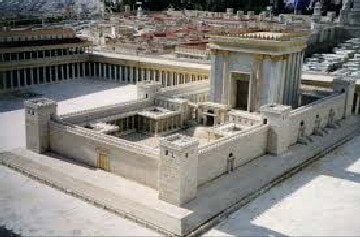 Verse 1 Jesus leaves with his disciples Jerusalem and from the Mount of Olives they have a good view on the temple. The disciples point out to Jesus the mighty building of the temple with its huge stones (stone weight about 6.5 tonnes).
Verse 2 Jesus predictes the breakdown of this huge building, the temple. What occurs in the year 70 A.D., when the Roman occupier captures Jerusalem and completely breaks down the temple. No stone is left on one stone, a complete devastation.
Verse 3 From the Mount of Olives, one has a beautiful view on the white stones of marble and the golden roof of the temple, which reflects the sunlight.
The disciples understand Jesus very well and their logical question is: when is this going to happen? Watch their detailed question: 1. When; 2. What is the sign of your coming; 3. When will be the end of the world. They lay a connection between the destruction of Jerusalem with the end of the world. Not in itself an illogical thought. The disciples were not yet familiar with God's Plan that first another people, Christians, would hear the Gospel, and temporarily the message of Salvation to the Jews would be removed.
The word PAROUSIA (coming) is used here and in verses 27, 37 and 39. That in the secular parlance of the time, it had the significance of the visit of a King or had the appearance of a divinity. With the apostle Paul, it has the meaning of the (first) Coming of Christ.
Verses 4-5 Jesus begins to correct the disciples. There will be many who say "I am the Christ". The last two centuries, many have claimed to be the Christ (many sects, whose leaders said I am the Christ) and died with their sect members. They have charmed many people within their sect and many people found the death with their false Christ as sect leader. How one is not preparing to be able to project a hologram into the sky at various places on earth, which represents Christ and the people have to be obedience to him (while this projection is the Anti-Christ). Jesus warns serious not to be misled, however He also predicted that many will fall in this deception.
Others mislead the believers from the correct road (Liberal theology, sin is no sin anymore, no more respect for the commandments of God, freedom of religion, we all believe in the same God, etc.).
Verses 6-7 It is clear that we are living in a time of (rumours of) wars, the wars in Africa, North Korea. The division of Russia into the different independent countries. Within a country, the call of groups which desires to separate. The famine is large and only growing at an alarming rate, likewise increasing the prices of grains and rice.
See the list of powerful earthquakes during the last two centuries, from which is evident that earthquakes increase in intensity and frequency, indicating that we live in the end of time and the first Coming of Christ for the Christians is near.
Verses 8-10 However, this is not yet the end of the world, first the Great Tribulation, which retarded "Christians" and people coming to faith in the Great Tribulation, many of them will be tortured and prosecuted, many will be tested if they truly believe and will even will be put to death due to their faith in Jesus Christ (what we already presently see by the Muslims who kill Christians). Many will fall and accept the mark of the Beast (Revelation 13:16-18) in order to stay alive and to be able to buy food. However, they sell themselves to satan (the Beast, the Anti-Christ) and their fate will not be Heaven, but the Lake of Fire.
Verses 11-12 Many false prophets will stand up and many will be lead astray. A good prophet we recognise by the fruits of the Holy Spirit in the everyday life of that prophet. ALL his prophecies come true, NOT ONE remains unfulfilled. Signs of great miracles and healings occur both with the false as with the true prophet, but just through these miracles and healings, many are lead astray. We already see this in our current time.
A true Prophet speaks about sin, speaks edifying, admonishing and encouraging. The false prophet does not speak about sin, does not recognize Jesus Christ as Lord and the Son of God. Talks about an all conciliatory love of God, believe in the same God (reconciliation of Christians with other faiths such as Islam, Buddhism, yoga). The false prophet has a strong legislative contempt and disputes everything, think about the dispute about the husband-and-wife marriage, sex only within marriage, allowing sex with underage children, sex with the same sex, sex with animals, no more specific features for boys and girls, everyone is equal, communism, to mention just a few examples. No respect for the law, no more charity, more lust for power as in the drug wars and drug gangs, with many deaths a day as we see taking place in Rio de Janeiro.
Verse 13 Endurance in the meaning of holding out, endure in the midst of tribulations, the martyr remains steadfast as we see with Job. How Christians were not tortured in Communist Russia, how not many are being tortured in China and other Islamic countries, many already suffer the hatred and torture presently. Jesus says, maintains to the end, then you will be saved and come in the realm of God.
Verse 14 Note the word "this". This Gospel of the Kingdom will be Sermoned in the whole world. This Gospel of the Kingdom refers to the Sermoning of the Messiah. MUST accordingly to Mark 13:10, first be Sermoned this Gospel to all nations on earth, before there comes an end to the world (Great Tribulation). Not the Christian Gospel will be Sermoned to all people on the earth before the first Coming of Christ. And Yes, to all people and all nations on earth will be Sermoned this Gospel of the Messiah before the second Coming of Christ and all the tribes on earth (verse 30) will see Jesus, the Son of Man.
Verses 15-16 The desolating sacrilege, see Daniel 11:31; 12:9-13. Daniel 12 speaks clearly about the Great Tribulation. Thousand two hundred and ninety days and one thousand three hundred thirty-five days are both about 3 1/2 year. It is clear that in the Great Tribulation, the temple is rebuilt (and again sacrifices will be offered at the altar). Daniel 12:11 says that the daily sacrifice is discontinued and an abomination (the worship of the Beast, the Anti-Christ?) is founded. 1 MACC 1:54 is believed that the desecration of the temple and the temple's altar is intended in 168 B.C. by the Syrian King Antiochus IV. The God of heaven, who is unnamed in the temple at Jerusalem was honoured, was registered as Zeus Olympios. Probably his image was founded in the temple. The desolating sacrilege was possibly no different than placing a stone on the altar, so that sacrifice was no longer possible and the altar was lowered to a pedestal. The altar dedicated to the worship of the ONE God of Israel, became a sanctuary of Zeus where God was worshipped in general.
When the idol is placed in the Holy Temple in Jerusalem by the Anti-Christ, then that is the sign for the Jews who are in Judeau, to flee to the mountains. The mountains counted in the O.T. as areas where one could flee in times of hazard (Ezekiel 7:16).
Verses 17-18 When it is time to flee, flee immediately. Do not return to take furniture, do not return to your house when you are working in the field to get clothing. No, flee directly from the place where you are and go immediately to the mountains with only what you are dressed in and what you are carrying.
Verse 19 It should be done as soon as possible, in that end of time, the inhabitants of Judea must run for their lives to the mountains. If this is also a result of the large earth quake in Revelation 16:17-21, is a guessing. Woe to the mothers who are pregnant or have a baby to breast feed, they will have to run with their heavily pregnant belly or to carry their child to the chest.
Verse 20 A run in the winter, a period of rain, cold and snow, complicates the run. The Jewish point of view was rather to kill yourself than to violate the Sabbath, an example of this is the Maccabeese rebellion. Fleeing on a Sabbath, was considered as working, which was forbidden. Because on the Sabbath, it was not allowed to walk more than 2000 el (circa 1400 metres). The Jew respects this and will not flee.
However how strictly this is, was asked to Rabbi Eleazar (in 110) if one is allowed to flee. He replied look at Jacob who fled to the field of Aram (Hosea 12:13), Moses fled for Pharaoh (Ex. 2:15) and David for Saul (1 Samuel 19:18).
Therefore with Jesus, the Christians should pray for the Jewish people that the Lord God will not let occur this terrible day in the winter or on a Sabbath. And God remembers the pregnant women and breast feeding.
Verse 21 Jesus announces a time, such as has not been from the beginning of the world until now, no, and never will be.. It would be the most terrible time ever on earth. How horrible we now know from the book of Revelation. The time of the terror by the Anti-Christ and the Beast for the believers and the Jewish people, but also for the unbelievers when God pours out His cups full of indignation upon earth. Daniel 12:1 also speaks of a time of great trouble (=tribulation) as yet not have been there since nations exist. Daniel 12:7 speaks about: a time (one year), times (two years) and half a time (half a year) total 3 1/2 years, followed by Daniel 12:11 1290 days (approximately 3 1/2 year). This corresponds to the 7 years in Revelation. The time of the beast takes 42 months (=3 1/2 years) in Revelation 13:5. The word Great Tribulation is taken from the text in this verse (and Revelation 7:14). With the words "such as has not been from the beginning of the world until now, no, and never will be", Jesus gives the completely unique situation. This period will also never come again, because satan is bound at the end and ends his power.
Verse 22 It is God Himself, Who brings salvation. In Jesus Christ, every man has forgiveness of sins, who believes in the Son of God as Saviour. God knows that a man has a limited endurance and limited in persevering if one is tortured. God therefore limited this period of Great Tribulation, because otherwise also the favorite would succumb and be lost.
Verses 23-25 Verse 5 is repeated, do not believe in the one who is calling himself the Christ in this period. From Revelation, we know now that the Anti-Christ and the Beast will do great wonders and signs. Now we know that robots speak and recognize voice and intelligence, almost already resembling a human being. It is quite clear that we are living in the last days, the technical developments are going fast, even with the cultivation of organs. But also think of the developments of malicious viruses that cause horrible pains, those will be used with the torture of believers by the Anti-Christ in the Great Tribulation. We can deny that the tribulation is imminent.
Verse 26 According to rabbis and Flavius Josephus, the Messiah comes from the desert. From the desert is the Messianic salvation expected. Also that John the Baptist appeared in the desert, was with the same expectations. Hence the warning: do not be fooled by false prophets with the message the Messiah is in the desert.
The same applies to the inner room. A Jewish view is that first the Messiah remains at a hidden place (inner room), before He reveals Himself. The Anti-Christ will try to trap believers by saying that the Messiah is hidden in a certain secret inner room, because then the believers will go and then they will be tortured and killed.
Verse 27 The Parousia of the Son of Man is compared to the lightning: bright, clear visible, unexpectedly and suddenly. No one is expecting, as in the days of Noah, the people celebrated with great feasts, do not care about God. As the people retrace and worship the Anti-Christ and the Beast, so unexpectedly (Revelation 16:15) will be put an end to their power, and the Messiah shows to all nations (verse 30).
Verse 28 Possible that this concerns a proverb, one we do not know about these days. Vultures are birds that detect cadavers flawlessly from a great height. So flawlessly for all will be visible the Parousia (Coming) of the Son of Man, no one excepted on earth. How that we do not know. Possible through the television and internet. But God is the Creator, for Him nothing is impossible to physically Jesus appear at all places in the world at the same time. Jesus is God, therefore not tied to one place at a time (such as man and satan are limited to one place), but He is omnipresent.
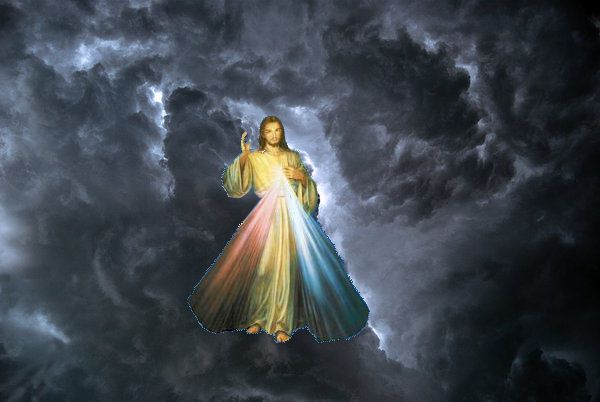 Verse 29 At the end of the Great Tribulation, the sun will no longer give her light, as well as the moon. A pain dark earth, a completely darkness, what a contrast as the lightning appears, Jesus Christ, a shining light. That should have a great effect and clearly visible.
The stars fall from the sky, reading in Revelation. That means that also the stars no longer give their lights.
Powers of heaven, with Ephesus 6:12 principalities, refer to the world powers of darkness, satan and spiritual hosts of wickedness in the heavenly places.
Verse 30 The sign by Matthew, is no further explained by him. We can think of the sign of the cross which is just as common with believers. Zech. 12:10 they will look on Him whom they have pierced. Jesus is pierced on the cross of Calvary, so Jesus with His visible wounds of His hands and feet nailed to the cross and his side pierced by the Roman soldier, everyone (all strains) on earth will SEE.
With power and great glory: Jesus does not come alone, with Him returns with the Church for the great battle of Armageddon (Revelation 16:16) for the final fight against satan and all peoples who have gathered to attack Israel (Revelation 17:14).
Verse 31 Trumpet is a well known Jewish signal at the warfare. While we usually speak of a RAM's horn, shofars can also be made of the horns of goats bucks or even antelopes. When the marrow is removed from the horns, remains a more or less curved, hollow pipe. Through the nozzle, at the point of the horn, is blown to produce the sound. That is easier said than done. Blowing the shofar requires a lot of exercise, effort and air. Separate melodies cannot be blown, so the melody dependents upon the short and long strikes. That of a ram, however, is preferred as the shofar reminds of the ram that was sacrificed by Patriarch Abraham instead of his son Isaac. In Joshua (6:4) we read that it was a task of the priests to blow the shofar. That happened at festive gatherings but also at the time of war and battle. The tradition from Exodus 19:16 says that when the Torah was given by God to Moses on Mount Sinai, in the midst of lightnings and thunders a loud call of the shofar sounded, causing the people trembled of awe and anxiety. The story goes that on the right horn of this ram will be blown as the Messiah comes. Isaiah 27:12-13 in that day it shall come to pass that the Lord will gather the children of Israel and on the great trumpet will be blown. 1 Thess. 4:16-17 with the sound of the trumpet of God. And the dead in Christ will rise first; then we who are alive, who are left, shall be caught up together with them in the clouds to meet the Lord in the air. The seven trumpets in Revelation 8 and 9 .
The Jewish and Israeli people (collectively the 12 tribes) for I have spread you abroad as the four winds of the heavens (North, South, East and West, all over the Earth) Zech. 2:6. From one end of heaven to the other, we find back in Deut. 4:32.
It is God Himself Who will bring together and will save His people, His chosen ones (the Jews, Israelites, and the believers from the Great Tribulation). This action will be carried out by the angels of God.
Verses 32-33 The moment of the Parousia, when all this shall come to pass, is not answered. There is a slight indication, but CLEARLY that the believer MUST observe it. See also verses 43-50 in which is called for vigilance, and one must prepare himself (Mt 25:1-13). The leaves do sprout and the summer is near, the signs given by Jesus in verses 4-15. We now know that we are living in this time, so we know that summer is near. We see with our own eyes, that it is near, it is upon the doorstep. The coming of the Anti-Christ and the Great Tribulation is near!
 Verse 34 This generation will not pass away. A generation counts 70 or 80 years according to Psalms 90:10 the days of our years are seventy years, and, if we are strong, eighty years. The State of Israel is founded in 1948. 1948 + 70=2018. The Great Tribulation takes 7 years, so we already passed 2018 - 7=2011. The Great Tribulation described antecedent, must first come to pass (till all these things take place). This means that the First Coming (where the Church is taken up to Heaven) can be in 1948 (creation is Israel) + 80 years (Psalm 90:10 strong generation, which the Jewish people certainly is, given the many wars against the Arabs)=2028 - 7 years of Tribulation=2021? The signs and the current huge law contempt, no respect for God's laws and commandments point strongly. Sure is that the Coming will be soon.
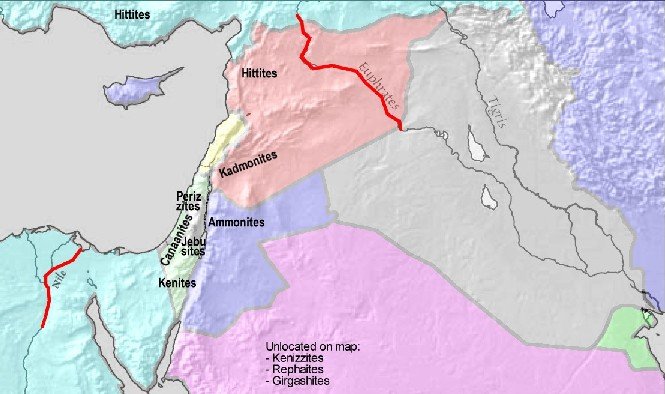
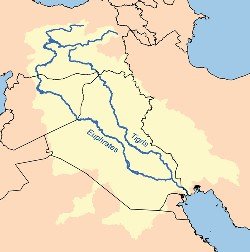
After the Second World War, the UN voted and approved the creation of a Jewish State, Israel. In 1948 is fulfilled Ezekiel 37:1-8. The bones (the Jewish people) are gathered from the four corners of the world (the whole earth) and travel to the land of Israel. Muscles and meat came on the bones and skin pulled over it. The State of Israel has grown and still from all the world, the Jews come in order to establish themselves in Israel. However, yet Ezekiel 37:9-10 but there was no breath in them. By the entire Jewish people there is still not yet a worship of God (Jaweh), that only comes in the tribulation or after the second coming of Christ. The 144,000 from the tribes of Israel will proclaim the Kingdom of God throughout the world. After the coming of Christ, Jesus Christ will fulfill the promise and the twelve tribes will live in the promised land according to the promise given to Abraham in Genesis 15:18 "To your descendants I give this land, from the river of Egypt to the great river, the river Euphrates, the land of the Kenites, the Kenizzites, the Kadmonites, the Hittites, the Perizzites, the Rephaim, the Amorites, the Canaanites, the Girgashites and the Jebusites.". The river of Egypt would not point to the Nile River, but to the Sichor River, which separates Egypt from Canaan, NUM. 34:5, Joz. 13:3, 1 Chronicles 13:5. The Euphrates now has a length of 2735 kilometers. She begins in Northeast Turkey and flows through Syria to Iraq, where they are North of the city of Basra the Tigris and hence is called the one Sjatt al-Arab River. Then ends this united river by marshy area via Abadan into the Persian Gulf. The Euphrates plays an important role in Revelation. In the future, the earth will be judged, an angel takes care that the water of the Euphrates dries up, in order that the Kings from the East prepared to war, can pass.
Observe how huge this new country will be, including the Sinai desert (the desert will flourish Isa. 51:3), Jordan and Iran.
Without any indications, this verse ends the message and information about the Second Coming. And continues with the message and information about the first Coming (verses 40-41) intended for the new people of Jesus, the Church.
Verse 35 Jesus confirms here that the preceding with certainly occur. Heaven and earth will pass away, but all what I have said to you, will happen. What horrors will happen, is later revealed to the apostle John in the book of Revelation in greater detail. Heaven and earth will pass away before all this will occur and the New Earth and New Heaven (Revelation 21:1-8) come.
Verse 36 No one knows the day and the hour the Comings will come to pass. This is a very important statement of Jesus, because the angels and Jesus Himself do not know it. Recently, we know of the prediction by an American astrologer, who predicted the date 23rd September 2017 as the day of the Coming of Christ, because the stars were the same location as with the birth of Jesus and the last trumpet would sound on the Israeli New Year. There Jesus here says: "of that day and of that hour no one knows", we already knew that this prediction had to be false. We look at my comment of verse 34, that is a possibility, because Jesus says emphatically that we must observe the time (verses 32-34) and Jesus points out that we have no knowledge of day and hour, this means that we have the knowledge of the year?
Be as it might be, the following verses and Mat. 25:1-13 is a strong lesson by Jesus Himself to be vigilant. One thing is certain, given the many signs, the Coming of Jesus and the Rapture of the Church is very near. The time is very short that Christians can proclaim the Gospel, yet so rest on each individual Christian a hard task to proclaim to as many infidels the salvation in Jesus Christ! And teaching in keeping God's commandments and laws, a Christian life style (Gal. 5:16, 22), in order not to remain behind (foolish and wise virgins Mat. 25:1-13) and consequently the need to persevere in the Great Tribulation and being excluded to the wedding of the Lamb!
Verses 37-39 Since no one knows when the Son of man returns, vigilance is very necessary, referring to the days of Noah (Gen. 6:5-7, 11; Gen. 7). Humanity in the days of Noah thought they could afford everything, like presently without respect for God and denial of God, great (sex)parties, think presently to the large rock festivals, people eating and drinking abundantly (today many fat people who are not concerned about the poor), marrying (present free sex and sex before marriage). No one in the days of Noah was aware that God's judgment was near and everyone would be killed, except the ones separated by God: Noah and his family, and a certain amount of animals. As the flood came so unexpectedly, so will unexpectedly for many will come the Great Tribulation, and Coming of Christ. But one, Noah paid attention to the Council of God, he listened to God, and was rescued with his family. Only the Christian who pay attention to and reads the Bible and observe God's commandments and statutes, will be saved and at the first Coming of Christ go into Heaven.
| Verses 40-41 One and other is difficult to explain. Personally, I think that from verse 32 the focus is on the Christians. The Jews do not read the New Testament, and it is the Christian who can learn from N.T. the signs of the time (fig tree). Meaning to me, that day and that hour refers to the First Coming of Christ, and the removal of the faithful Christian will be for unbelievers like the Flood, completely unexpected. The world will be surprised to hear that, suddenly, neighbours, colleagues, husband or wife, children, family members and loved ones have disappeared. Two men in the field, two women will be grinding at the mill. It is clear that it applies to both the male and the female sex. One is taken, the other is left behind. See my comments about Matthew 25. Verses 39-42 is therefore aimed at believers. That means that one believer is accepted and the other believer is left behind. Note verse 42: for you do not know on what day YOUR LORD is coming. So that clearly relates to believers in the Lord Jesus Christ. For those believers who recognize Jesus Christ as their LORD and therefore live under the control of the Holy Spirit (the oil in Mat. 25: 4), so a spiritual life. They are the ones who are taken and go to heaven with Jesus (marriage feast Mat. 25:10). The believers who live in the world, his or her own life, they are left (the door of the marriage feast was closed) and pass through the Great Tribulation. Where they have to make a new choice for Jesus Christ, whether or not they accept the mark 666 of the Beast, ie satan and the lake of fire. Or refusing the mark 666, that means pain, oppression or death during the then still maximum 4 years of life on earth, but eternal life with God. Verses 42, 44 Watches then, be vigilant, do not belong to the foolish virgins who lived in the world and were not guided by the Holy Spirit (their oil had finished). The wise virgins lived a life completely guided by the Holy Spirit (had sufficient oil upto the wedding party), they went along with the groom, and entered with him to the marriage feast, that is they went along with the bridegroom Jesus Christ into the Wedding Hall, Heaven. Again the serious advice, because you do NOT know on which day the Lord comes. Because Jesus Christ is coming! That is a fact, therefore be vigilant and belong to the group of believers who enters with Christ into Heaven (1 Thess. 4:13-17)! |
Verse 43 Jesus uses an example from everyday life. One is alert and protected his house against thieves. Certainly when one is informed in advance which night the thieves will come. Jesus has sufficient indicated what are the signs of His Coming, and in verses 42 and 44 He points clearly on the unexpected arrival of the Son of man. One does not need to be unprepared. The current signs in the world, law contempt, (rumours of war, think of North Korea), wars, earthquakes and natural disasters (typhoons) clearly indicate the rapid coming. It may be 2012 (see my comment on verse 34), it might be sooner (today), it may be later, but a fact is certain, it is CLOSE.
Verses 45-51 Jesus closes His "speech on the last things" with a last example with verse 51 as a very serious warning. The faithful and wise slave who takes care of food and drinks in time. Meaning today, the faithful and wise Christian who provides food and drinks (literally gives to the poor), proclaims the Gospel and gives biblical teaching to the unbelievers. Blessed is that slave, Christian, who Jesus Christ at His Coming meets him/her working and caring. That slave will be set over its possession. That Christian will reign as king in the millennial Kingdom of Christ (Rom. 5:17).
But the wicked manservants and the maidservants (Luke 12:45) who are not appointed to the service concerned by his master, his or her fate is verse 51. The wicked menservant or the maidservant who abuse for its own purposes the given power (abuse of tithes on its own favour), does not care about proclaiming the Gospel and biblical teaching correctly, for an additional fee prays and heals, awards himself a luxury life (rich food and drinks), for those Jesus Christ comes back unexpectedly, at an hour that he/she does not know.
To beat his fellow slaves was something only to the householder. Here the slave takes over the role of his householder and presents himself equivalent to him.
The end is equal in the warning to the spiritual leaders of Israel (23:33 how are you to escape being sentenced to hell), also this wicked slave does not escape, and will punish him in hell (weep and gnash their teeth). See also 7:22-23. It is the deadly terror that occurs to people, left behind at the Coming of Christ, as they notice that there formed image of God and Jesus were to their own thoughts and ideas, its own deception. The weeping and gnash their teeth, is therefore both an expression of being aware that they, as a result of their own fault, are excluded from the Kingdom of God.
The parable of the faithful and wicked slave is how man/believer is personal responsible for how he/she copes with the word of God, the Bible. The following two parables in Mat. 25:1-13 and 14-30 possible give an even clearer illustration of the personal responsibility. Everyone has a free choice, he or she can make with the logical reasoning. No one has an excuse of I was not conscience, Jesus is very clear in His examples and similarities from everyday life. The choice is up to you.
Wise and foolish maidens - Matthew 25
I used to think that a new parable started, until a comment pointed out that Matthew 25 is a continuation of the speech on the last things in Matthew 24. That sheds a different light on Matthew 24:40-41. Formerly I thought that these verses concerned ALL believers who had accepted Jesus Christ as their personal Saviour, and those who remained behind were all unbelievers. There Matthew 25 is a continuation of Chapter 24, it throws a completely different light on chapter 25. Brothers and sisters in Jesus Christ, this is a very serious business, of which I myself am very shocked. There is a lot of Sermoning in the churches, but where is the education?
The parable of the five wise and five foolish virgins refers to the believers in the Church. They are notably all who have accepted Jesus Christ as their personal Saviour. The five fools are the ones who remain behind and pass through the Great Tribulation and the five wise are those who are taken up and go with Christ to Heaven for the Wedding. These five wise virgins are the believers who lead a life under the control of the Holy Spirit (Galatians 5:22) and bear fruit (Mt 13:23), they have sufficient oil to enter into the marriage feast, Heaven, with the groom Jesus Christ. The foolish virgins are the ones from Mat. 13:20-22, who quenched the Holy Spirit (1 Thes. 5:19) and found the fun and wealth of the world more pleasant (Gal. 5:19-21) than to respect the commandments and the statutes of God. They find the door to the marriage feast closed and stay behind and in the Great Tribulation where they get a second chance and their faith in Jesus Christ will be tested and those who persevere will yet come in Heaven.
Why this requirement to a life of wise virgins and being full of the Holy Spirit? That was a question that I asked myself. The answer is logical. The believer is a son of God, who should be obedient to God, the Father. The believer belongs to a chosen generation, a royal priesthood (1 Peter 2:9). The believer must act as mediator (intercession) act for the unbeliever that he/she come to faith. That will be difficult if the faithful himself is living in the world, then he/she is no witness and does not pray. He/she does not perform his/her priestly service. The believer will reign as king, so should the will of his master, Jesus Christ. Therefore he/she should to be guided by the Holy Spirit. That royal task cannot be fulfilled if one is not guided by the Holy Spirit and enjoys fully the earthly things and sin. Here on earth, the believer must behave wisely and be prepare for his/her royal priesthood, then one is ready for the first Coming of Christ to enter Heaven.
Matthew 25:1-13 (Wedding)
| Then the kingdom of heaven shall be compared to ten maidens who took their lamps and went to meet the bridegroom. Five of them were foolish, and five were wise. For when the foolish took their lamps, they took no oil with them; but the wise took flasks of oil with their lamps. As the bridegroom was delayed, they all slumbered and slept. But at midnight there was a cry, 'Behold, the bridegroom! Come out to meet him.' Then all those maidens rose and trimmed their lamps. And the foolish said to the wise, 'Give us some of your oil, for our | lamps are going out.' But the wise replied, 'Perhaps there will not be enough for us and for you; go rather to the dealers and buy for yourselves.' And while they went to buy, the bridegroom came, and those who were ready went in with him to the marriage feast; and the door was shut. Afterward the other maidens came also, saying, 'Lord, lord, open to us.' But he replied, 'Truly, I say to you, I do not know you.' Watch therefore, for you know neither the day nor the hour. |
Matthew 22:1-14 indicates that the Church (all believers, who believe that Jesus Christ has died for their sins at the Cross) are represented as the Bride of the Lord Jesus Christ, the Bridegroom. In this parable, the parable is continued with an addition, namely we can compare the oil with the Holy Spirit Who after being born-again makes a dwelling into the believer (1 Corinthians 6:19).
Everybody on earth is equal, and everyone receives the opportunity to recognize God. God is omnipresent: in nature, weather, universe, in church, etc. We all know, that the coming of the Bridegroom is delayed. Jesus Christ is raised into Heaven two thousand years ago and He has not yet returned to collect His Church. Also in this parable, the bridegroom delayed. So you need not wonder why the ten maids slumbered and slept. Many believers are very enthusiastic just after their re-birth, but along the road, living in the world, they slumbered and do not actively practice their faith.
But at midnight there was a cry: "Behold, the bridegroom! Come out to meet him. Time upon time, the believer needs to be shaken awake, to remain actively practicing his/her faith, the believer is simply living in the night, in an evil world full of violence. In the period between Christ ascension and Christ's Return, the night is dark, where satan and his (fallen) angels are tempting man and are trying to rule!
The wise virgins refused to share their oil with the foolish. Is that hard? No, it is midnight, the wise wish to have sufficient oil to pass through the night, otherwise they might miss the wedding as well. They give a wise advice to the foolish, rather go to the dealers and buy for yourselves.
It is given to everyone to choose for Jesus Christ as his/her Saviour. The oil, the Holy Spirit, cannot be shared. Is for everyone to personally accept Jesus Christ as his/her Saviour and then to receive the Holy Spirit. Believers, who are born-again and have received the Holy Spirit, can only point the road to Jesus Christ to unbelievers and people going to church. However, every person is personally responsible for his/her own sins and needs personally to accept Jesus Christ.
And the bridegroom came and those who were ready went in with him to the marriage feast; and the door was shut.
Pay attention, there is only one door. The only door to Heaven is Jesus Christ, there are no more doors, no other ways! They, who have accepted Jesus Christ as their personal Saviour, they are ready for the marriage feast (Heaven). They are ready when Jesus Christ is coming to collect His Church (1 Thessalonians 4:13-18).
Afterwards, the foolish also came, saying: "Lord, Lord, open to us". But He replied, "Truly, I say to you, I do not know you."
When Christ has returned and taken with Him His Church (the wise ones) into Heaven (John 14:1-3), the unbelievers remain on earth, but also those who taught to belong to Jesus (the foolish virgins). Many read the Bible, many listen to the Words of God, few however come to a sincere remorse of sins, acknowledging that they are sinners and really accept Jesus Christ as their Saviour and Lord. Everyone must check his/her heart for the truth!
When those stayed on earth, suddenly noticing that those who are born-again (wise ones), are taken away and taken into Heaven, and they have remained, then it is TOO LATE! They cannot enter Heaven any more and the door of the marriage feast is closed and the Bridegroom Jesus Christ says: I do not know you.
Therefore Jesus repeatedly is saying in Matthew 24: Watch out, because you do not know the day nor the hour.
Is of great importance not to delay your decision to accept Jesus Christ as your Saviour and Lord. Since nobody knows when the Lord is coming to collect His Church. But the Bridegroom delayed. However, you can see it differently. Nobody knows how long he/she has to life. Every second you can breathe out your last breath. You can have a heart attack or cerebral haemorrhage, and then it is too late to choose for Jesus. Or you can meet with a car accident or whatsoever, then your decision is too late and then you will go there where there is weeping and gnashing their teeth.
CONCLUSION: DO NOT DELAY YOUR DECISION TO ACCEPT JESUS CHRIST AS YOUR PERSONAL Saviour AND GIVE YOUR LIFE OVER UNDER THE GUIDANCE OF THE HOLY SPIRIT!!!
Servants and Talents - Matthew 25:14-30
| For it will be as when a man going on a journey called his servants and entrusted to them his property; to one he gave five talents, to another two, to another one, to each according to his ability. Then he went away. He who had received the five talents went at once and traded with them; and he made five talents more. So also, he who had the two talents made two talents more. But he who had received the one talent went and dug in the ground and hid his master's money. Now after a long time the master of those servants came and settled accounts with them. And he who had received the five talents came forward, bringing five talents more, saying, 'Master, you delivered to me five talents; here I have made five talents more.' His master said to him, 'Well done, good and faithful servant; you have been faithful over a little, I will set you over much; enter into the joy of your master.' And he also who had the two talents came forward, saying, 'Master, you delivered to me two talents; here I have made two talents more.' His master said to him, 'Well | done, good and faithful servant; you have been faithful over a little, I will set you over much; enter into the joy of your master.' He also who had received the one talent came forward, saying, 'Master, I knew you to be a hard man, reaping where you did not sow, and gathering where you did not winnow; so I was afraid, and I went and hid your talent in the ground. Here you have what is yours.' But his master answered him, 'You wicked and slothful servant! You knew that I reap where I have not sowed, and gather where I have not winnowed? Then you ought to have invested my money with the bankers, and at my coming I should have received what was my own with interest. So take the talent from him, and give it to him who has the ten talents. For to every one who has will more be given, and he will have abundance; but from him who has not, even what he has will be taken away. And cast the worthless servant into the outer darkness; there men will weep and gnash their teeth.' |
What does this mean?
Jesus tells this parable to provide a lesson for your spiritual life. One talent, in the days of Jesus, had a value of 6000 denars, it took a labour almost twenty years to earn one talent.
Jesus Christ (the Lord) gives every believer gifts (talents). One has from nature more gifts than another person. However, for God Kingdom this has no meaning. What matters is what a person does with his/her gift(s). Jesus Christ has called us all together and in the Bible we can clearly read, what He is expecting from every believer.
Jesus Christ has gone to Heaven (going on a journey, strange for the earth) and the believers are waiting already for two thousand years for His return. This means in no way, that the believer can relax in their works. Because He has promised that he will return.
What matters, is how the Lord will find us when He returns. Did we use our gifts (talents) ?
The servant (servant of the Lord Jesus Christ) with five and ten talents, had each doubled their talents, and the Lord rewarded them with praiseful words: "Well done, good and faithful servant; you have been faithful over a little, I will set you over much; enter into the joy of your master".
Then comes the servant, who had received the one talent came forward, saying: "Master, I knew you to be a hard man, so I was afraid". Was that correct? Was his master a person who was reaping where he did not sow?
We have read that this servant dug a hole in the ground and hid his master's money, covered by soil. The master had given different amounts to each person, one ten, another five, and this servant one talent. So, the master very well recognized with each capabilities. At his return, the master answers very righteously: You knew that I reap where I have not sowed and gather where I have not winnowed? Then you ought to have invested my money with the bankers, and at my coming I should have received, what was my own with interest.
Since now the master was receiving less than he had given. If the master stayed away for twenty years, we all knowing very well, what twenty years of inflation does with money, and on the other hand what twenty years interest upon interest does with money.
Which lesson can be learnt?
It does not matter, how much intelligence a believer has, of how many gifts he or she has. What matters what everyone of us is doing with his / her gifts, did he/she fully utilized the gifts and did not slumber and remaining looking forward to the coming of the Lord Jesus Christ.
Yes, but I only have one talent (gift). I am not well educated. I am a simple housewife. I have only primary school, I am shy.
That is no excuse! The Lord Jesus Christ has given everyone to his/her capabilities talents, and ONLY thereof He is asking account. Might we be afraid, then at least we can put it into the bank and leave it to others to make a profit.
The Lord asks from every believer to give a tenth of his / her (net) salary to Him (Church, mission, hungry, etc.) (Hebrew 6:17-20; 7:1-10) . The evangelist, Sermoner, missionary can use his talents to proclaim God's Kingdom and Redemption through the blood of Jesus Christ. They are the bankers who can make a profit of your and my money for the Lord.
And what about the housewife who has no income?
Let us look to a housewife with children. The raising of children is a heavy task, which requires the full attention of the mother. Children need food, clothing, love, attention. The mother can provide her children with a good example, preventing her children to become criminals, raise her children in Christianity and Christian values. Telling them that Jesus Christ has died for their sins on the Cross of Golgotha. She can be an example of the work of the Holy Spirit in her life, showing how she let be guided. That is not a light task, there she can make a provide for the Lord!
And the housewife without children?
She takes care of her husband and household. Look in Matthew 25:31-46 many possibilities are given over there to serve the Lord: visiting the sick, preparing meals, providing clothes, caring for the poor, etc.
What lessons can we learn from these parables?
- We are commissioners, God is the owner. Daily we receive from God our food and drink. God expects from us that we take care of the less endowed, sick and hungry ones (Shall there be hunger in the third world, when each of us gave a tenth (food) to the third world? I do not think so) (Matthew 25:31-46).
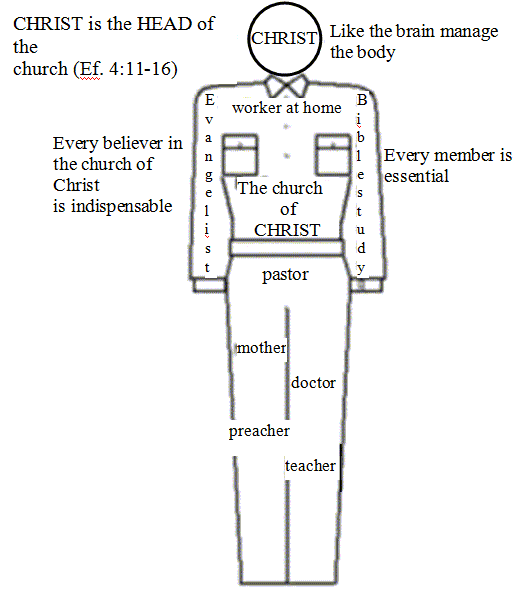 The Lord has giving us gifts accordingly to our capabilities, and He gives us the opportunities to use our gifts (talents). The question is to we use our talents fully? Not everybody have equal opportunities and gifts, but together we form the Body of Christ (1 Corinthians 12:27 Now you are the body of Christ and individually members of it.) The hand cannot function without the arm, and the arm not without the shoulder, and they all are controlled by the brain. Every Christian can be useful and use its gifts in corporation with other Christians under control of the Lord Jesus Christ. But the individual Christian needs to be at his / her place, otherwise the other members cannot function well.
- What are the good works? All we must avoid: Galatians 5:21. All we can contribute to God's honour and glory, see Galatians 5:22.
- We must persist in good works, since Christ Return is waiting, but He has promised that He will come to collect His parish ((1 Thessalonians 4:13-18)).
- Although we are awaiting the Return of Christ, our present responsibilities are on earth. We must give account to the Lord Jesus Christ for our proclamation of the gospel and good works through our Salvation in Jesus.
- They will be many evil persons who will try to attempt us and false accusations will be made on account of the Lord, but the believer must remain steady and not to let him ill guided by the earthy goods. Earthy goods are relative short living (60-100 years?) and are no comparison for the Heavenly delights which are everlasting.
The judgment about man - Matthew 25:31-46
| "When the Son of man comes in his glory, and all the angels with him, and then he will sit on his glorious throne. 32 Before him will be gathered all the nations, and he will separate them one from another as a shepherd separates the sheep from the goats, 33 and he will place the sheep at his right hand, but the goats at the left. 34 Then the King will say to those at his right hand, 'Come, O blessed of my Father, inherit the kingdom prepared for you from the foundation of the world; 35 for I was hungry and you gave me food, I was thirsty and you gave me drink, I was a stranger and you welcomed me, 36 I was naked and you clothed me, I was sick and you visited me, I was in prison and you came to me.' 37 Then the righteous will answer him, 'Lord, when did we see thee hungry and feed thee, or thirsty and give thee drink? 38 And when did we see thee a stranger and welcome thee, or naked and clothe thee? 39 And when did we see thee sick or in prison and visit thee?' | 40 And the King will answer them, 'Truly, I say to you, as you did it to one of the least of these my brethren, you did it to me.' 41 Then he will say to those at his left hand, 'Depart from me, you cursed, into the eternal fire prepared for the devil and his angels; 42 for I was hungry and you gave me no food, I was thirsty and you gave me no drink, 43 I was a stranger and you did not welcome me, naked and you did not clothe me, sick and in prison and you did not visit me.' 44 Then they also will answer, 'Lord, when did we see thee hungry or thirsty or a stranger or naked or sick or in prison, and did not minister to thee?' 45 Then he will answer them, 'Truly, I say to you, as you did it not to one of the least of these, you did it not to me.' 46 And they will go away into eternal punishment, but the righteous into eternal life." |
What does this mean?
Verse 31 Here at the second Coming of Christ, Jesus comes with his angels from Heaven to earth and all the nations will see Him, Verse 32 and Mat. 24:30. At the first Coming, Jesus descends from Heaven to the clouds and all the believers in paradise and all believers (full of the Holy Spirit) on earth go with Him to Heaven, so then Jesus does NOT remain on Earth and NOT ALL will see Him. The purpose of the second Coming is to liberate Israel during the battle of Armageddon (Revelation 16:14-16; 17:14) and to judge the living unbelievers. The judgement is universal, not just Israel, but about all people on earth.
Verses 32-33 All Nations shall be gathered before Jesus Christ. The angels will separate the sheep (verses 34-40, Ezech., 34:17) of the goats (verses 41-46, Ezech.s 34:17) (see parable Mat. 13:24-30). Zech. 14:5 says Then the LORD your God will come, and all the holy ones (Hebrew text) with Him. All holy ones (saints) refers, according to me, to the believers that were taken to Heaven at the first Coming of Christ. Probably at the second Coming, Jesus comes with the holy ones and the angels to earth. At the end of the Great Tribulation comes an end to the power of satan and demons. Satan and the demons are thrown into the abyss (for thousand years and then the final verdict for them: the Lake of Fire).
According to Judaism and classical antiquity, the right side was the side of happiness and salvation, while the left was the opposite.
At this separation, the individual know straight away, who has survived the Great Tribulation, to which group one belongs or to the survivors or to the lost.
Verse 34 The ones at the right hand will inherit the Kingdom. It is legitimate to ask which Kingdom. It is prepared from the foundation of earth, and Jesus Sermoned the Kingdom of God: recognition of sin, the Kingdom of the Messiah. Therefore this Kingdom is the millennial Kingdom of Christ?
Verses 35-38 The text speaks for itself. All what man does to his neighbour, his or her fellow human beings, that is considered as being carried out for Jesus. Has one cared about the people in third world countries, to their misery? But also directly in their own country. For example, looking to Brazil where the politicians enrich themselves at the expense of education and health care. The well-off who eat their own belly full of food and do not care about the poor. Yeah sure, there are exceptions, the good sheep, who care for and pay for schools and health care.
Verses 39-40 When did we see you? Here are collected all the nations on earth. So possibly also the man who may never heard of the Gospel. Who never have seen Jesus, nor knew God's commandments and statutes.
Jesus replies: "Truly, I say to you, as you did it to one of the least of these my brethren, you did it to me", with that you answered if you have accomplished God's command: love your neighbour as yourself. Brethren refer to your neighbour, fellow man (all the nations of earth are gathered here) and not just to the brother or sister in church. The brethren is universal, anywhere in the world.
Verses 42-45 Also this text speaks for itself. When one has lived only for himself, you can expect no payment. Remember the parable of Lazarus and the rich. Has one cared to Sermon the Gospel or to make this possible? Did one pay attention to the Kingdom of God? Apparently these goats have not care about life after death on earth. Have denied God and denied with hands and feet God's commandments and statutes.
 Tumour of nuclear radiation | Verses 41 and 46 The goats go forward to eternal punishment, the place (which is prepared for satan and his angels=demons) where the satan and the demons will be staying forever, called the Lake of Fire. What one has to imagine with this, is impossible. Fire gives light, but the Bible says that there is darkness. However, the atomic bomb gave radiation with huge pains and mutilations. It speaks about a burning thirst and burning fever. The penalty is called eternal, because it is timeless, there is never an end, trillions and trillions of years, without end. Everyone has his or her personal duty and to his or her responsibility, social rank, function or position. Being politicians, judge, physician, agent, or any job, each one is personally responsible for his or her actions with greater responsibilities (five talents) or less responsibility (two talents) or an ordinary person (one talent). No one escapes the judgment of Jesus Christ, each is assessed accordingly to his/her capacities. HOW IS YOUR LIFE, YOU CAN LOOK STRAIGHT INTO THE EYES OR JESUS CHRIST, OR IS IT WITH FULL OF SHAME? |
For myself, one and other is hard to understand. Verses 31-46 talks about a judgment that takes place at the end of the Great Tribulation, after the second Coming of Christ on earth and before the beginning of His thousand-year Kingdom on earth. This judgment so occurs to the then living people on earth. Already at this time the goats go to eternal punishment (verses 41 and 46). Satan will be bound and cast into the abyss for a thousand years (Revelation 20:1-2). The sheep enter into the (millennial?) Kingdom (verse 34, Revelation 20:4?), the first resurrection (Revelation 20:5)? Revelation 20:5 says that the other dead (unbelievers) do NOT came to life, before the thousand years were over.
Then follows Revelation 20:7-10, then after a thousand years of Christ's Kingdom, the satan will be loosed from his prison and he will go out to seduce the Nations from all over the world to go into war against Christ. Their number will be like the sand of the sea and marched up to the beloved City (Jerusalem). Those marching up with satan, are from the sheep? What happens to them? Revelation 20:10 says that then satan is thrown into the Lake of Fire.
After this thousand year follows (the second resurrection?), Revelation 20:12-13. Who are the dead whose name is written in the book of life? And are they those who will continue to live on the New Earth (Revelation 21:1)? Applies to them the same conditions as the sheep from Matthew 25? They currently reside in paradise? Possible also the Jews and Israelites (but not equal to the scribes and Pharisees) are included?
Revelation 20:13 At this resurrection also come to life those who now stay in hell (Hades gave the dead). Their destiny is the Lake of Fire (Revelation 20:15).
I do not have a clear answer. It also is not important. Important is to belong to those who believe in Jesus Christ as Saviour and Lord, and to join them who at the first Coming of Christ go to Heaven. Important is not to belong to those of the second resurrection from the dead!
Betrayal, imprisonment and conviction of Jesus - Matthew 26
Verses 1-2 Jesus has given His instructions to the Jewish people, but also to His future new people, the Church. Instructions regarding the need for the recognition to be a sinner, the Kingdom of God and ending with the speech on the last things, the first and second Coming of Christ. Now comes in sight the end of His work on earth. The Passover was on the 14th of the month Nissan (ex. 12:6-7). There remained only two days in which Jesus predicted His death, by whom His death shall come to pass, but also first the anointing and the institution of the Lord's Supper.
Easter was the memory of the exodus from Egypt, with which the blood of the slaughtered Lamb was applied onto the door frame, so that the Angel of death would pass and not kill the firstborn. So Jesus is the perfect lamb, Who would bring the perfect sacrifice for once and for all remission of the sin of man, who wants to recognize and accept this.
Verses 3-4 The Chief priests and elders of the people (the Sanhedrin) plotting to kill Jesus, but not on Easter. That is human deliberation. God has His Plan, Jesus is the Easter lamb and needs correctly just to be sacrificed on Easter. However, people can think of, God completes His will and Plan.
They meet in the Palace of the high priest Caiaphas. An unusual place, because normally the Sanhedrin meet in a southern place of the great sacred Hall. Indicating already on their conspiracy. Caiaphas was about 18 A.D. high priest, he was the son-in-law of Annas, who was high priest was approximately 6-15. Caiaphas was a clever manipulator who left no funds to its own advantage.
Not at the feast, because there were many Jews from within Israel and far present in huge numbers in Jerusalem. The Jewish people could take party and choose to the son of David and a rebellion of the Jewish people would be heavily punished by the Romans.
Verses 6-7 The House of Simon to Bethany. Who Simon was, is not informed further, probably had Jesus heal him of his leprosy. Bethany was lying on the South eastern slope of the Mount of Olives, a few kilometres from Jerusalem.
Usually myrrh was done in an Alabaster jar with a thin long neck, which was broken when opening the jar. Luke and John mentioned that the feet were anointed.
Verses 8-9 The disciples are outraged. Mark mentioned that some disciples were indignant, while in the Gospel of John, Judas Iscariot is the one who it says (John 12:4-5).
The reason of their outrage is that the money could have been better spent by selling the myrrh and the money given to the poor. The disciples are still not aware of the impending death of Jesus, who He had announced in advance in verse 2. It was common for mortals to be anointed with myrrh. Maria was a much better listener (Luke 10:38-39 they sat at Jesus ' feet and listened), they had probably heard the words which Jesus spoke in verse 2. She did which was correct, ointing before death. This is also not common in the Roman Catholic Church, the ointments of the dying. Are we like the disciples, bad listeners, or are we good listeners who heed and act to the words of Jesus?
A pound of myrrh had a value of 300 denarius (John 12:5). One pound is approximately 328 grams. A bottle of perfume has about 7 grams, so a pound of myrrh is about 47 bottles of expensive perfume, very expensive. This nard myrrh came from the Himalayas, real perfume for the very rich people, a real luxury. A denarius was the daily wage of a worker (country) (Mt 20:2). 300 denarius would therefore correspond to 300 working days, so 1 1/2 salary annual of a rural worker (200 working days in a year).
Verse 10 Rightly Jesus points the disciples with the words "Why do you trouble the woman?". She has indeed done a good deed, where the disciples in default by listening carefully and to understand that she acted correctly in preparation of the coming death of Jesus. They were the ones who had to be deeply ashamed.
Verse 11 The poor are present in all centuries, in the past and in the present. Jesus would stay another two days together with His disciples and then die. An end to His presence (and a final end after His Ascension to Heaven). An end to His education, an end to honour and to be able to pay tribute to their Master Jesus. The concern for the poor could be continued and after the death of Jesus it is our duty.
Verse 12 Jesus reminds the disciples to verse 2, Maria has done this with a very good reason: preparing my funeral. What a shame: you guys think materialistic, money to the poor. While I have been told that I will be crucified and are going to die a horrible death. How are we moved by the dying person and sick, or we only think about the costs and nasty consequences for ourselves?
Verse 13 We find this event back in all the four Gospels, anyone who reads the Bible, can take notice of this special (and expensive) act which this woman Maria has done. Jesus gives her all praise and glory.
Verses 14-16 what a contrast with the traitor Judas Iscariot, who was a thief and manager of the money box (John 12:6). It does not determine exactly to which coin it goes in this Bible story, but the only money that could be used in the Jewish temple was the shekel, a silver coin of about 14 grams - and the half shekel. This is then the Jewish variant of the Tyrical shekels from the Hellenistic period, which under the Roman domination between 18 B.C. until 65 A.D. was minted in Jerusalem. Thirty pieces of silver (silver coins, silver sickles) was the price that someone had to pay, if his ox had bumped the slave or slave of anyone else and as a result had injured. The master of the slave got as compensation thirty pieces of silver (source Wikipedia). Joseph was sold by his brothers for 20 pieces of silver and Abraham bought the field with the cave for 400 shekels to bury his wife Sara. Lev. 27:4 If someone made a promise to the Lord, then the charge was 30 shekels for someone of the female sex. Jesus was betrayed by Judas at the price of a slave and thereby Zach. 11:12-13 was fulfilled.
By receiving the money, Judas had no choice anymore, than to deliver Jesus to the Chief priests. What a sad ending for a thief, stealing is something, but complicity in murder is another matter. It starts with a "small" sin and ends in death/murder by a person. How do we see this back today, it starts with a robbery, an armed robbery and ends with shooting and murder. The small young outlaw (yes sometimes only 12 years of age) ends in a large criminal and murderer. Lesson: do not think lightly about a small sin, because it opens the door for satan (satan entered in Judas Lucas 22:4) and permits coarser sin.
Verses 17-19 The first day of the feast of unleavened bread joined to the Passover (the night of the 14 to 15 of the month Nissan), the feast taking place from 15-21 in the month of Nissan. In this verse, it is about the day that in the Jewish houses, everything is being prepared to celebrate the liberation from Egyptian slavery (Ex. 12:14-20). The Easter dinner began after sunset and lasted late into the night. This meal had to be used in Jerusalem. Hence the huge numbers of Jews who came to Israel from inside and outside Jerusalem. At the time, Jerusalem was the common property of all the tribes of Israel and the pilgrims were allowed to enter into everyone's house to celebrate the Passover and received free accommodation.
Go to the city (=Jerusalem) to a certain one. Why the person's name is not mentioned, we do not know. In any case, the disciples know who is meant and the owner knows who the master is. Jesus knows that His time is near, as He said in verse 2. Moses knew that the exodus from Egypt was coming at the Passover, Jesus knew that His time was near to die as the perfect Easter sacrifice.
Lucas 22:10 gives more details, you will encounter a man who carries a jar of water, follow him. It was the custom for a woman or girl to carry the jar, therefore it was unique and easy to find the right person (man) to the house where Jesus wanted to use the Passover.
The disciples prepared the Passover. This was possible because the required for value of at least ten persons was met. The preparation consisted of buying a lamb, which was slaughtered in the temple, the preparations of unleavened bread, bitter herbs, wine, etc.
Verses 20-23 It is evening and Jesus with his twelve disciples uses the Passover. Jesus knows through His divine nature, what is going to happen with Him that evening and night. Despite this, He is quiet and He warns the disciples, one of you is going to betray Me. How well the disciples know their human nature and ask him: "Is it I, Lord?". As faithful might be so strong, within our human and sinful nature, unfortunately we are capable to the most terrible things. The disciples are very well aware of this, even though Peter is proud in verse 35. All disciples have eaten of the unleavened bread. The answer of Jesus "He who has dipped his hand in the dish with me, will betray me" gives a clue. Every disciple knows if he was the one who dipped at the same time with Jesus. Probably, they do not remember who was the one who dipped in the dish at the same time. However, Judas gets a warning here, Jesus says, you are the one who is going to betray Me, verse 25. Judas, however, does not pick up the warning. Jesus gives Judas a chance to repent for his act of betrayal. How often a believer still do not go his or her own way, despite being warned by other (believers) or by the Holy Spirit?
Verses 23-25 The prophets have predicted the manner of the death of the Messiah. It is a necessity for the redemption of man from sin. Nevertheless, woe to the man through whom the Messiah is betrayed, it would have been better that he was not born. On one hand, the need for the death and prophecy, so God is guilty, could Judas do nothing else than betray Jesus because it was so destined? We know that God has foreknowledge of all things, He is the Knower of the future. As well as Jesus knew what was going to happen. Here Jesus points the personal responsibility of man. In this case, Judas, Jesus says in verse 25, it is you. Judas can still go back, he can still return the thirty pieces of silver to the Chief priests at this time. After this confirmation by Jesus, he could even repentance and regret. But Judas shows no remorse, and thereby enters satan in him (John 13:27). Lesson: After to have been warned by God and the believer goes willingly his or her own way (extinction of the Holy Spirit), the believer is surrendered to his fate and sets himself open to satan and the works of satan and demons. That is the personal responsibility of the believer, we can not blame God. The believer has the free choice of the voluntary serving God, obeying God's commandments and institutions, a free choice of living under the control of the Holy Spirit. Judas chose wrong and experienced the consequence of his act. The believer who choose wrong, experiences the consequence, even missing the Raising into Heaveny at the first Coming of Christ.
Verse 26 The Passover is about eating the bloody slaughtered Easter lamb. Now a new Covenant is establish by Jesus: the Lord's Supper, without that many people slaughter the Passover lamb over and over again (every year). Jesus is going to bring the perfect Easter Lamb with His death at the Cross it will be the final remission of sin.
Jesus takes the unleavened bread, breaks it into pieces and shares it out to the disciples with the words: "Take, eat, this is my body". Jesus stands in the flesh for the disciples, so the bread does NOT transform in His body. Another argument that we should take this figuratively is John 6:35 and 51 where Jesus says: I am the living bread; John 4:10-14 I would have given you living water; John 7:37 if anyone is thirsty, he let him come to Me and drink. The breaking of bread is a symbolism (reminder) of breaking the body of Jesus on the cross of Calvary.
Verse 27 Jesus then takes the cup from which all disciples (except Judas who was already en route) drink the wine. I personally see nothing wrong in order to replace the wine by grape juice (due to the potential ex-alcohol addicts) and the use of plastic cups because of the possible AIDs contamination.
Verse 28 Jesus establishes a new Covenant. The old Covenant was established with Abraham. The new Covenant is a Covenant between Jesus and the individual believer, who believes in Jesus Christ as Saviour for his or her sins. Note the words of Jesus: for this is my blood of the covenant, which is poured out for many for the forgiveness of sins. The blood is a symbolism (reminder) that Jesus shed his blood on the cross of Calvary. For MANY, not for ALL, only to THOSE who believe in the forgiveness of sin by the crucifixion of Jesus and his resurrection from death.
Verse 29 This one-time event of the supper with the disciples is once before the crucifixion of Jesus, Jesus as a human being. After His resurrection from the dead, with a new incorruptible body, Jesus will reuse the supper with the disciples (I will drink the wine again with you in my father's Kingdom). My father's Kingdom in the sense of the Kingdom of God has come with and AFTER the reconciliation by the crucifixion and resurrection of Jesus Christ.
Verse 30 Which hymn was sung here, is not stated in the Bible. Possible Psalm 115-118. Ephesians 5:19 also mentions the singing of hymns, without presently knowing the text of the hymns. The Passover and the establishment of the new Covenant is at an end. Jesus begins to accomplish His work and Jesus and the eleven disciples leave in the night to Gethsemane, at the foot of the Mount of Olives.
Verse 31 Again a prediction and fulfillment of a prophecy Zechariah 13:7. The disciples will flee out of fear, verse 56.
Verse 32 How bad the disciples listened. However understandable, first Jesus says that all will let Him alone and all will flee. And they give little attention to the words that He will raise from the dead, and alive again will meet them in Galilee. How often are we not in stress, and we listen with only half an ear to the words of Jesus, the Bible, reading only what we wish to read and not reading in context, not complete and not examine what the Bible really says. It is late, probably midnight, the disciples are tired and are sleepy.
Verse 33 We need not doubt the sincerity of the words which Peter speaks here. How often do we not speak words in sincerity and we believe what we say, but are sometimes embarrassed to stand in times of need and danger. Peter unwittingly commits three errors.
1. He has doubts about the words of his master, Jesus.
2. He rises himself above his fellow disciples: all (other 10 disciples) take offense, but I (Peter) never.
3. He was too confident and knew no humility.
Let this be a lesson for us as believer. We may speak sincere words, but let us be thoughtful, be sure that we are able to keep our words in all circumstances.
Verses 34-35 How sad Jesus must have been, knowing the weakness of Peter. Within hours, Peter would deny Him three times (at half past two in the morning? It was in the third night wake of 0.00 until 3.00 hours) and cursing, verse 74. Great speech by Peter, even if I have to die with You. Deny in the sense of first recognize and follow Jesus and thereafter with this knowledge deny Jesus.
How many will continue to recognize Jesus Christ as Saviour in the Great Tribulation when they are tortured, suffering hunger and thirst? Are we always loyal in our testimony of the Lord Jesus Christ?
Verses 36-41 Gethsemane is a place of olive trees with possibly a wine press, which lies on the road to the Mount of Olives. Leaving behind eight of the disciples and Jesus goes on with three of His most trusted disciples (Mt 17:1-13). There they see how sad and anxious He is. A legitimate fear because Jesus knows his flogging and horrible cross death is imminent, knowing that Judas would betray Him and Peter would deny Him, his friends who all would let Him down at the hour He is in most needed support. Verse 40 Jesus found them sleeping, including Peter who so solemnly had said not to abandon Jesus, how sadly. No, his best picked out friends are forsaken Him despite the fact that they saw His very great sadness and fear. Jesus had prayed for one hour, the three disciples were not able to support Him even for one hour. Lesson: Can missionaries in the great battle on the mission field count on our support? Can the evangelist count on our support when he in hazardous areas delivers the Gospel? Is the believer, praying or sleeping?
The spirit is willing, with our mind we desire to pray, we are prepared. But the flesh is weak, in difficulties and fatigueness the human body resign. We are often no longer able to fight against the powers of darkness, satan and demons, we are going to sleep. How is it with us? If the Holy Spirit calls us to pray in the middle of the night, we awake or continue to sleep? Or if we busy with (worldly) things and activities, we (immediately) leave and we follow the Holy Spirit and go over to prayer?
Jesus fell on His face and prayed,, if possible, let this cup pass from Me, but Your will be done. The cup of flogging and crucifixion, the taunt by His own people, the Jews, to the huge challenge of the cross and not showing that He is the Son of God, the huge challenge not to ask for a legion of angels to release Him. Personally, I think this temptations have been heavier that the physical suffering. Jesus had the power, but in spite of all temptations, He did not use. The first man Adam had the choice, the temptation to eat of the forbidden fruit. The first man failed. Now God again places the second man for the choice: die for the sin of man, or not. Jesus prays if possible let this process go by, BUT Your will be done. The second man chooses not for his convenience, but chooses to do the will of His father, God. The first man failed, the second man takes up where the first man Adam failed, and accomplishes the will of God and does not give in to the temptation!
How is the believer, like the first Adam and prefers to live in the world with the earthly pleasure (the forbidden fruit)? Or chooses the believer for obedience to God, and leaves the earthly pleasure and chooses a life under control of the Holy Spirit and fight against satan and demons?
 Verses 42-44 Unfortunately Jesus could not count on the support of His best three disciples, He stands alone here. He seeks his aid in prayer and conversation with His father, God. In the prayer, Jesus is encouraged to accomplish the will of His father. Lesson: are we looking for support of our best friends during our weakness or we are looking to God for our support, to Jesus when a heavy (what seems to us an impossible task) command of the Lord, so that we receive the power to accomplish the command? Yes, first sometimes it takes several times of prayer, sometimes hours of prayer before the believer has surrendered to the Lord his own will and weakness. I speak from personal experience, I used to need hours of prayer because of my fear of God's command, my human weakness, yet to go in God's power and then to experience the blessing to the mission. Now it costs me a few minutes, knowing that God is with me, after first having obtained the assurance that it is indeed God's will.
Lucas 23:43-44 gives more details about this pray. Jesus was mortally fearful and his sweat became as drops of blood. And God, the Father, sent an Angel to Jesus. His Father does not take away the command, but answered the prayer in another way, namely by sending aid through an Angel. Sometimes the believer gets in what seems a mission impossible for him or her. We should go, and experienced God's help, however, for us, God's Angels are invisible. Sometimes God allows to see the angels, as in the case of the six-day war of Israel.
Verses 45-46 Jesus returns from His third prayer. He has surrendered His will to His Father and is willing to fulfill His mission. The disciples He no longer needed and they can rest in their uselessness. Jesus speaks to the disciples, "Let us go", knowing that Judas, his Betrayer, is coming. The question arises as to why the disciples Jesus has woken up and does not let continue to sleep? They were of no use anymore? The answer is that the disciples had to learn that one needs to be alert in excessive temptations. Their lesson was to discover their own weakness, they flee all off, Mark 14:50.
Verse 47 Judas made haste to betray. Knowing that many followers of Jesus are in Jerusalem and would defend Him, so Jesus must still be caught in the night. The Sanhedrin (Chief priests, scribes and elders of the people) react quickly, they call a temple guard together with sticks and permission of the Roman occupier (they told that Jesus wants to take over power as Messiah?) and get a band soldiers (John 18:3) at their disposal. A complete band consisted of 600 soldiers with swords. But in the middle of the night, it would probably have been less. Expected the Sanhedrin resistance? In each case a large group of armed men pulled out to Jesus.
Verses 48-50 The Kiss was usual in those days as a greeting of tribute between rabbis and their students. Judas calls Jesus Rabbi, while the disciples called Jesus Lord. Probably Judas was in front, followed by Malchus (verse 51, John 18:10) the slave of the high priest, followed by the army. Jesus said "Friend". A possible explanation is that Jesus would like to emphasise, you Judas are committing treason, letting Judas knowing that He Jesus was not deceived by the kiss of Judas, but knew of his betrayal, giving Judas a clear warning to think carefully about what he was doing. The army joined onto the person who Judas had said the one I kiss, he is it. A strange case, it was Jesus who Sermoned in the temple (I was daily with you in the Temple), He was known. John 18:3 with lanterns and torches, so light enough to recognize Jesus. Was it the need to be sure that the right person caught took and not to be mistaken?
Verses 51-52 Luke 22:49-51 Probably Peter cut the ear of the slave off even before Jesus had replied to the question: "Lord, shall we strike with the sword?" Jesus answered "No more of this" and healed the ear of the slave. In front of the host, Jesus shows His power and healing, His divinity and peace. Nevertheless, no one moves backwards and no one repents. Obedience is better and disobedience is punished (the Government bears not the sword in vain Rom. 13:4).
Verses 53-54 Jesus does not need His small group of disciples facing this overwhelming (Roman) army. Jesus only needs to ask His Father, and more than twelve legions (12 x 6000=72,000) angels will come to Him to the rescue. And who can resist an angel of God? No, Jesus is fully prepared to do the will of His Father and goes VOLUNTARILY. The Scripture (the prophecies of the Old Testament) must be fulfilled, the Messiah Jesus must die for the sin of the man on the cross.
Verse 55 Robber was a common disqualification by the side of the Roman invaders for a freedom fighter.
Jesus now focuses to all, the hosts, the slave, the Chief priests and Temple guard, the Roman soldiers. Have I not Sermoned words of peace the last past three years, and heal people? Did I at any time Sermon riot, said not to pay taxes to the Roman invaders? How wrong and dense and liars you to encounter me as a robber with swords and sticks. Daily in the temple I have given good education and examples. Where is your intelligence, but you still have not understood!
Verse 56 The prediction in the O.T. goes in fulfilment: the death on the cursed wood (cross), and the running away of the disciples. Jesus stands alone here. No Peter, no disciple, all alone onto the way of crucifixion.
Verse 57 Jesus is led to the Palace of the high priest, Caiaphas. The meeting began in the night and lasted until the day was come (Luke 22:66). Caiaphas belonged to the party of the Sadducees, who in general cherished no sympathies for the Messianic ideas that brought their position in danger. The fact that he spent eighteen years in his function, while the other high priests only held up a year, proved his cut diplomatic that well knew to go along with the Jewish people as well as with the Romans invaders. In 62 A.D., occurred the sentencing of James, the brother of Jesus, and stoning in association with other Christians followers.
The process consisted of three stages. The first trial to Annas, the father-in-law of Caiaphas (John 18:13), the second trial to the Sanhedrin with Caiaphas (verse 57), the third stage with the judgment (Mat. 27:1). Followed by three civil assessments. The first by Pilate, the second by Herod (Luke 23:6-12) and finally the final verdict by Pilate.
Verse 58 Peter follows at a distance and succeeds to enter into the Court of the high priest. Therefore, it is likely that the Roman soldiers returned to their department and the temple guard has delivered Jesus to the Sanhedrin.
Verse 59-60 How can you as a human being defend yourself when your judge(s) already have decided to your death sentence (John 11:49-50, 18:14 it is useful that one man dies for the people). Yet this show trial was a necessity because the Sanhedrin had to come with good arguments for the Roman governor. The Jews had no right to to condemnation and judgment which could only be carried out by the Roman governor. According to Jewish law it was an illegal process because no process was allowed to take place in the nightly hours, no death sentence should be pronounced before a Jewish feast, in the arrest of Jesus money (treason) was used, the crucifixion was not allowed to take place at the same day of the pronounced verdict. This is separately from the actual reason of the condemnation of Jesus. The Sanhedrin wanted to get rigged off of the Prophet Jesus, Who had won so much respect and influence among the people, and had made an end to their profit shared in the trade at the temple square. It was cold-blooded and premeditated murder. But note, it were the Jewish leaders (emissaries of God, yet though) who came to this murder and not the entire Jewish people who had Jesus in high regard. We cannot hold responsible a complete nation as a whole for government's decisions. Therefore, it is absolutely wrong to say, as some "Christians" say that the murder of six million Jews in World War II, is God's punishment for the death of Jesus. These "Christians" truly understand nothing of the Christian faith!
The Sanhedrin calls many witnesses (apparently they have well prepared in the short time of capture), however, their testimonies were not equally. According to the Jewish (and Roman?) law a death sentence could only be pronounced on the basis of two or three equal testimonials (Deut. 17:6, 19:5; Hebr. 10:28).
Verses 61-62 It would be a blasphemy to break down to the temple, such as the two witnesses say in verse 61. If Jesus would confirm these words then that would be for Jewish concepts a blasphemy because of the messianic claim that it conveyed. That is why the high priest takes over the trial himself. On confirmation by Jesus, the high priest would have a motive to act.
Verses 63-64 Abundantly clear is that the high priest Caiaphas is irritated by the silence of Jesus. He is losing the grip on the process, his plan almost fails. And he goes over into action, swear by the living God. A solemn oath to force Jesus to tell the truth! Jesus responds with the truth: "You have said so". According to Mark 14:62 (egoo eimi) I am. Jesus does not address the swear by God. But answer with "You have said so" in order to avoid the possible interpretation in the meaning of Messiah as Saviour of the Roman yoke and so wants to bring about a rebellion and riot. An argument what became to use in front of the Roman governor. Jesus' answer continues and states Who He is, namely a statement in the future, the attendees will see Jesus Christ seated at the right hand of Power and coming on the clouds of Heaven (second Coming). Please note that Jesus used the word Power and not the word God. It is a warning of Jesus to the members of the Sanhedrin, the judgement which you are related to me, so I shall judge you!
Verses 65-66 The high priest remains stubbornly deny Jesus as Messiah and Son of man, being totally blind in his own hatred. No fear of the Son of God, despite the many warning and this latest warning by Jesus.
He tears his clothes after hearing of this, according to him, blasphemy. With this, without that realizing, ends Caiaphas' task as high priest. The high priesthood would once and for all, forever passed on the true High Priest Jesus Christ.
However, Caiaphas goes again the error in, with the words "Why do we still need witnesses?". According to Jewish rules, judges may not act as witnesses and witnesses not as judges. By taking the judgement in his own hands, Caiaphas solely is fully guilty of the death sentence passed onto Jesus.
The Sanhedrin speaks a condemnation, which should have waited a day according to Jewish rules. But it is urgent. The followers of Jesus among the population was huge, so a revolt against the death penalty to Jesus, cannot be excluded.
Verses 67-68 What a shame of a spiritual court. They cannot control themselves, but proceed to fully express their hate and jealousy. Had Jesus not said, if your enemy turn you one cheek, turn the other. They proceed to striking with fists and in the face. No fear of their promised judgment by Jesus when He comes on the clouds and is seated at the right hand of Power.
How do we not see this in our current time. No respect for God, sneering comments about Christians and the Christian values and standards, the Christian faith is for the poor people, not for intellects. How wrong they are, they are the stupid, blind and fools who have not studied God's Word, the Bible. Soon they will have to appear before the judge Jesus and account for all their actions and taunts committed during their life on earth. Then Jesus Christ will judge and then it is too late for repentance and they fall under judgment and eternal punishment of God.
Verses 69-70 A maid went up to Peter saying: you, too, were with Jesus the Galilean. Peter's position is cramped. The maid could deliver Peter to the high priest. However, in the presence of all those bystanders, Peter denied: I do not know what you mean. He who had said: "Even if I must die with you, I will not deny you", rejected Jesus. Peter was in panic, it was he who had cut off the ear of the slave of the high priest. Fear of being recognized as such and to be taken to prison?
Verses 71-72 Peter left the courtyard and went to the porch. Unfortunately, another maid recognized him and she does not address to Peter but to the bystanders: that man was with Jesus. Again a denial by Peter, however this time much stronger, with an oath. He swears by God. How miserable he is.
Verses 73-74 The bystanders, perceptive created by the maid, came up to Peter. They recognize the voice of Peter that he is from Galilee. The people from Galilee had other guttural sounds and often they swallow all vowels in their pronunciation.
The position of Peter was ignited, John 18:25 a kinsman of the man whose ear Peter had cut off, asked: Did I not see you in the garden (of Gethsemane) with him? Now it got worse with Peter, this time except to swear, he began to curse himself: I know not the man. A climax in Peter's response, now he claimed that he even does not know Jesus and never heard of him.
Verse 75 Immediately the cook crowed and Peter remembered what Jesus had spoken. Lucas 22:60-61 mentioned that Jesus looked at him at that time, Jesus with a beaten black and blue face. A double reminder. Probably he was deeply embarrassed and leaves the Palace. He wept bitterly outside. However, we cannot call the disciple Peter a coward, he had the courage to enter the Palace and follow the interrogation. His denial has brought him to repent, to know his own pride. After the resurrection of Jesus Christ, he is restored by Jesus.


Source: TEAR FUND
Matthew 25:31-46 shows that even the person with only one talent, can do many things for the Lord.
And also that persons who are never reach by the gospel (in the utmost corners of the world) will be judged upon their works. Others will be judged if they accepted Jesus Christ as their Saviour, for them there is no excuse. God reveals Himself through nature, through all kinds of great works, in Europe and America there are many churches and one is able to get knowledge of the gospel providing one is opening himself for God.
| Now the works of the flesh are plain: fornication, impurity, licentiousness, idolatry, sorcery, enmity, strife, jealousy, anger, selfishness, dissension, party spirit, envy, drunkenness, carousing, and the like. I warn you, as I | warned you before, that those who do such things shall not inherit the kingdom of God. But the fruit of the Spirit is love, joy, peace, patience, kindness, goodness, faithfulness, gentleness, self-control. |
| Do you not know that your body is a temple of the Holy Spirit within you, which you have from God? You are not your own; you were bought with a price. So glorify God in your body. |
| But we would not have you ignorant, brethren, concerning those who are asleep, that you may not grieve as others do who have no hope. For since we believe that Jesus died and rose again, even so, through Jesus, God will bring with him those who have fallen asleep. For this we declare to you by the word of the Lord, that we who are alive, who are left until the coming of the Lord, shall not precede those who have fallen asleep. | For the Lord himself will descend from heaven with a cry of command, with the archangel's call, and with the sound of the trumpet of God. And the dead in Christ will rise first; then we who are alive, who are left, shall be caught up together with them in the clouds to meet the Lord in the air; and so we shall always be with the Lord. Therefore comfort one another with these words. |
 Matthew 25:1-13 (Wedding) Matthew 25:14-30 (Talents)
| Let not your hearts be troubled; believe in God, believe also in me. In my Father's house are many rooms; if it were not so, would I have told you that I go to prepare | a place for you? And when I go and prepare a place for you, I will come again and will take you to myself, that where I am you may be also. |
| Then Jesus sent two disciples, saying to them, "Go into the village opposite you, and immediately you will find an ass tied, and a colt with her; untie them and bring them to me. |